Biological Evolution: Unity and Diversity
- Animals
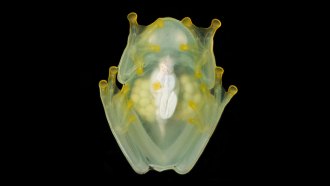
Sleeping glass frogs go into stealth mode by hiding red blood cells
Glass frogs snoozing among leaves blend in by hiding almost all their red blood cells in their liver.
- Animals
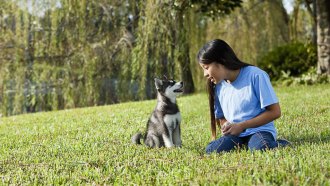
Analyze This: Puppies naturally mimic human actions
Unlike cats, whose ancestors hunted alone, dogs evolved from a species that hunted in packs. Being social might explain why pups copy humans.
- Animals
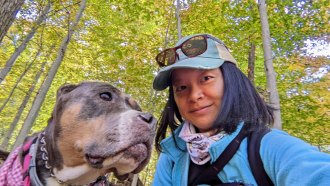
This biologist uses microwave radiation to save endangered species
Pei-Chih Lee works to preserve genetic material that can help researchers learn more about endangered animals, such as pandas and clouded leopards.
-
These lemurs take nose-picking to a new level
A nose-picking aye-aye’s spindly middle digit probably pokes all the way into the back of the throat, CT scans show.
- Animals
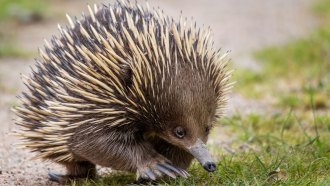
When it’s hot, echidnas blow snot bubbles to cool off
These spiky Australian mammals have a trick to moisten their noses, allowing them to survive hot temperatures that should kill them.
- Health & Medicine
Let’s learn about allergies
Allergies are caused by the body’s immune system overreacting to harmless substances.
- Physics
In a breakthrough experiment, fusion gave off more energy than it used
The sun creates energy through nuclear fusion. Now scientists have too. This achievement raises hopes for developing a new type of clean energy.
- Animals
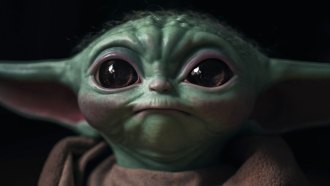
How can Baby Yoda be 50 years old?
Animals with wings, big bodies or other protections from predators are more likely to evolve long lifespans.
- Animals
A love of small mammals drives this scientist
Alexis Mychajliw’s science is driven by her love of animals. She now looks to tar pits and fossilized poop to understand ancient ecosystems.
- Humans
Let’s learn about Neandertals
Neandertals are an extinct species closely related to modern humans. They made tools and jewelry, controlled fires and cared for their sick.
- Fossils
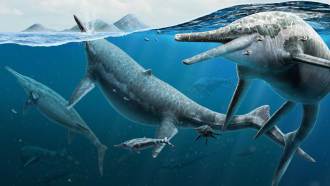
An ancient ichthyosaur graveyard may have been a breeding ground
Some 230 million years ago, huge dolphin-like reptiles appear to have gathered to breed in safe waters, just as many whales do today.
- Animals
This parasite makes wolves more likely to become leaders
Gray wolves infected with Toxoplasma gondii make riskier decisions. This makes them more likely to become pack leaders or strike out on their own.