Biological Evolution: Unity and Diversity
- Animals
Some ecologists value parasites — and now want a plan to save them
Parasites get a bad rap as disease-causing, unwelcome guests on other organisms. But parasites are also imperiled, and scientists don’t want to lose them.
- Animals
Analyze This: Bulky plesiosaurs may not have been bad swimmers after all
Long-necked plesiosaurs were thought to be slow swimmers. But new research suggests the animals’ large size helped them overcome water resistance.
- Animals
How boa constrictors squeeze their prey without strangling themselves
Tracking boas’ ribs in X-ray videos revealed the snakes’ squeezing secrets. It’s the latest Wild Things cartoon from Science News Explores.
- Animals
Ancient ‘ManBearPig’ mammal lived fast — and died young
Developing in the womb for a while — but being born ready to take on the world — may have helped post-dinosaur mammals rise to dominance.
- Animals
Explainer: What is mpox (formerly monkeypox)?
Once rare, the viral disease monkeypox exploded onto the global scene for the first time in 2022.
- Animals
Dogs and other animals could aid the spread of monkeypox
Now that monkeypox has spread to a dog, researchers fear other species could help the virus become widespread outside of Africa for the first time.
- Animals
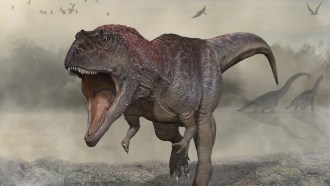
This big dino had tiny arms before T. rex made them cool
A predecessor to Tyrannosaurus rex, Meraxes gigas had a giant head. But the muscularity of its puny arms suggests those limbs served some purpose.
- Plants
This pitcher plant lures insects into underground deathtraps
Scientists didn’t expect the carnivorous, eggplant-shaped pitchers to be sturdy enough to grow embedded in the soil.
- Ecosystems
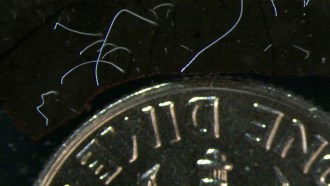
This giant bacterium lives up to its name
The newly discovered Thiomargarita magnifica is about the size of your eyelash and is surprisingly complex.
- Animals
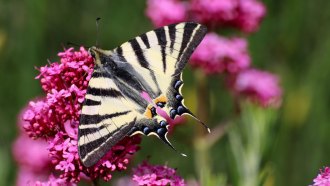
Butterfly ‘tails’ might be part of an escape tactic
Slender, tail-like extensions on their wings may help some butterflies survive attacks by hungry predators.
- Tech
Virtual critters evolve bodies that help them learn
A combination of evolution and learning may lead to more intelligent and agile robots.
- Animals
‘Mystery monkey’ could mean its parent’s species may be in trouble
Changes to monkeys’ habitats — including some forest loss to oil palm plantations — might explain why this animal’s parents mated.