Animals
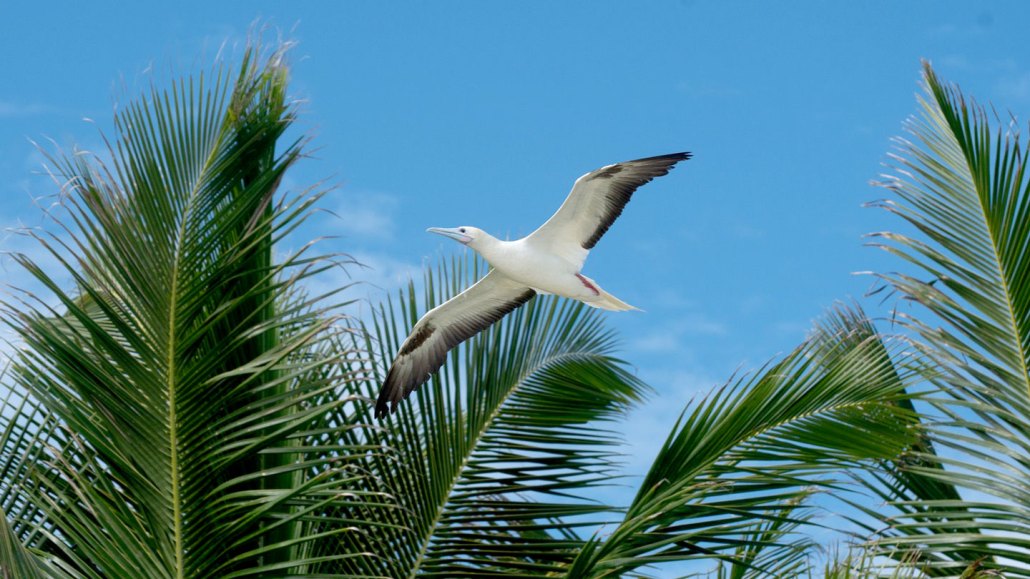
Spying on the secret lives of boobies
New high-tech tools let scientists “tag” along with these red-footed seabirds to solve the mystery of how boobies spend their days at sea.
The shape-shifting transformation of Euplotes gigatrox may reveal how early life learned to act in complex ways.
The snakes may be tempted onboard by tasty rodents — but train rides can carry cobras far from their forest habitats.
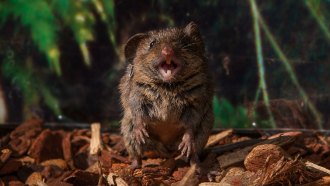
Balloon-like air sacs in the mice's throats create whistling songs. No other animal is known to make calls in this way.
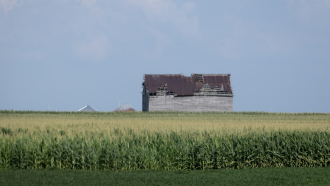
Cornfields release moisture into the air — or “sweat” — a couple of ways. One is evaporation. The other is transpiration.
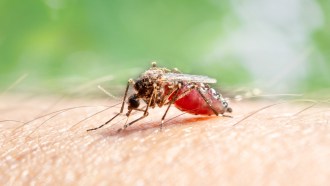
In lab tests, mosquitoes exposed to DEET while feeding learned to associate the chemical with food.
The strangler fig provides food and shelter for animals in the tropics. For at least 17 mammal species, it also serves as a toilet.
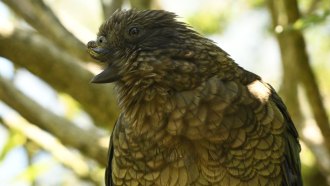
With half a beak, Bruce has developed a unique fighting style that has won him top status in his flock, videos and documented interactions reveal.
Victoria Glynn is studying how high temperatures are affecting ocean plankton. She also makes art to help communicate science to the public.
Though they can look like rocks or plants, corals are animals. Most are made up of colonies of individuals called polyps.