Ecosystems: Interactions, Energy, and Dynamics
- Animals
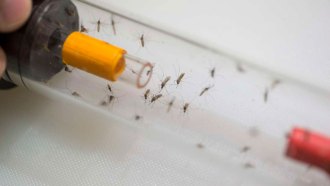
Sleepy mosquitoes prefer dozing over dining
Mosquitoes repeatedly shaken to prevent slumber lagged behind well-rested ones when offered a leg to feed on.
- Animals
Some Greenland polar bears are surviving with very little sea ice
The ‘glacial mélange’ on which they’ve come to rely — a mix of ice, snow and slush — could be a temporary refuge for some polar bears.
- Animals
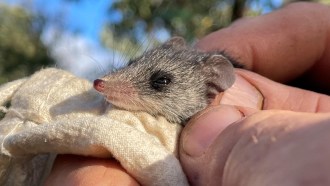
Palm-size marsupials may face extinction from wild ‘house’ cats
After surviving Australian bushfires, the Kangaroo Island dunnart is losing ground as it's targeted by hungry predators.
- Plants
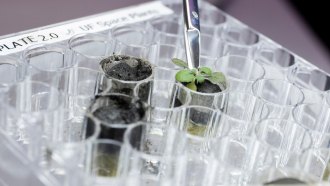
The first plants ever grown in moon dirt have sprouted
This tiny garden shows farming on the moon may be difficult, although not impossible.
- Animals
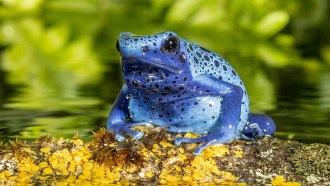
Let’s learn about amphibians
Amphibians are named after the Greek word for “double life” because many transform from water dwellers to landlubbers as they grow up.
- Animals
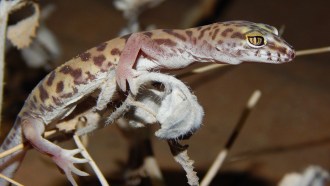
Watch how a western banded gecko takes down a scorpion
New high-speed video reveals how normally mild-mannered geckos can violently shake venomous prey into submission.
- Agriculture
Here’s why cricket farmers may want to go green — literally
Crickets are great sources of protein, but they often kill each other in captivity. Green light could help solve the problem, two teens find.
- Plants
Electric shocks act like vaccines to protect plants from viruses
To protect crops against viruses in their home country of Taiwan, two teens invented a novel approach to fight blights.
- Chemistry
Let’s learn about cellulose
The world’s most abundant natural polymer is finding all kinds of new uses, in everything from ice cream to construction.
- Animals
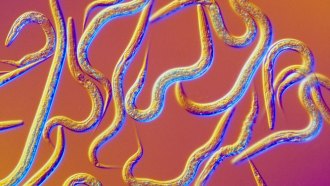
Like bloodhounds, worms are sniffing out human cancers
Scents emitted by diseased cells may usher in a new era of safe, low-cost screening tests for cancer and other illnesses.
- Environment
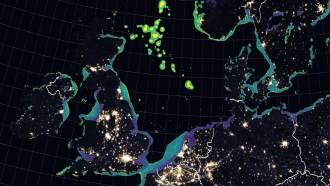
Night lights make even the seas bright
Light from coastal cities and offshore development may shine deep enough to disrupt tiny critters living dozens of meters (yards) below the surface.
- Animals
Infected caterpillars become zombies that climb to their deaths
By tampering with genes involved in vision, a virus can send caterpillars on a doomed quest for sunlight.