Ecosystems: Interactions, Energy, and Dynamics
- Animals
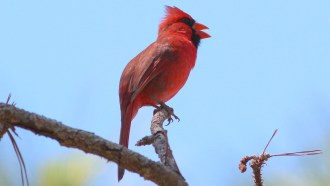
Birds are singing longer, thanks to light pollution
In light-polluted areas, birds spend an average of 50 minutes more per day singing. It’s unclear how that extra time might hurt or help the birds.
- Animals
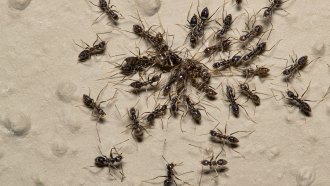
Ants are better team players than people [COMIC]
For ants, teamwork makes the dream work. For humans, teamwork can be a trip-up.
- Animals
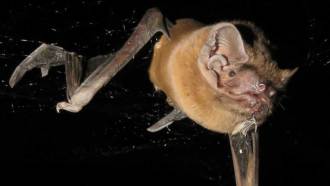
Analyze This: Some bats feast on songbirds midflight
Sensor data reveal greater noctule bats chasing, catching and chewing on birds during nighttime hunts.
- Life
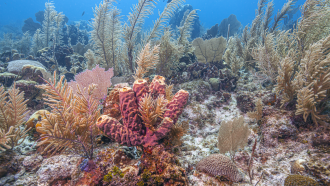
Scientists Say: Benthic
This ecological region teems with life — from coral to insect larvae to crabs.
- Animals
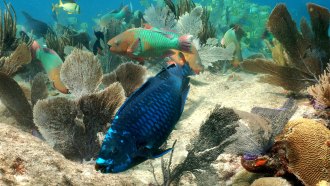
Parrotfish shape the future of coral reefs, one bite at a time
Could these colorful fish aid struggling coral? Yes, but not always. Parrotfish play a complex role in reefs — and sometimes may cause harm.
- Animals
Let’s learn about venom
A bite or puncture from a venomous critter can cause paralysis, flesh rot, organ failure and many more violent — and sometimes fatal — symptoms.
- Animals
A shark encounter inspired this researcher’s career in marine biology
Heidy Martinez never wanted to study sharks as a kid. That changed after encountering a white shark in South Africa.
- Humans
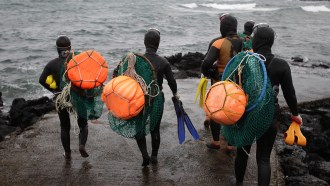
These Korean women spend more time underwater than any other humans
At an average age of 70, these divers in South Korea still forage in the sea for up to 10 hours a day. They spend more than half of that time underwater.
- Animals
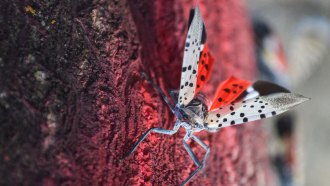
Quashing the spotted lanternfly may require help from other species
This invasive pest has spread to 17 U.S. states and may threaten vineyards. But bats, fungi, dogs and even trees may help halt the lanternfly's spread.
- Life
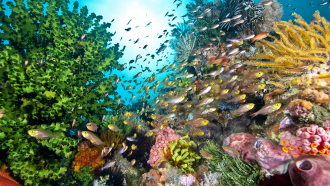
Scientists Say: Biodiversity
The coral reefs at Komodo, one of the Lesser Sunda Islands in Indonesia, are among the most diverse ecosystems on Earth.
- Animals
Here’s a spider whose barf is worse than its bite
These critters, which often make their homes on houseplants, don’t bother injecting venom. The spiders just vomit it all over their tied-up prey.
- Environment
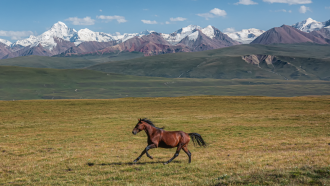
Scientists Say: Steppe
Expansive, windswept grasslands offer ample grazing for roaming herd animals and more.