Ecosystems: Interactions, Energy, and Dynamics
- Animals
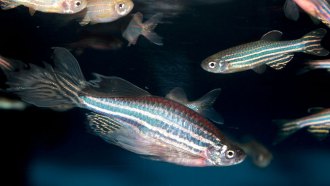
These fish yawn — and it’s contagious
Zebrafish are the first cold-blooded animals known to behave this way. Contagious yawning may affect other behaviors in these fish, too.
- Animals
Whale pee is an ocean bounty
Some migrating cetaceans move thousands of miles to their breeding grounds, where whale urine fertilizes ocean waters with valuable nutrients.
- Animals
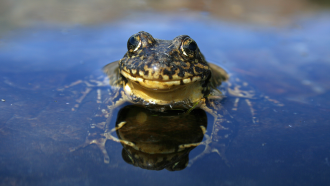
Analyze This: Moving frogs to new places helped an endangered species spread
Frogs resistant to a deadly fungus jump-started populations in these new areas.
- Ecosystems
Scientists Say: Ecosystem
The interplay between living things and the physical environment gives rise to Earth’s thriving, life-sustaining ecosystems.
- Animals
The ‘bone collector’ caterpillar wears its prey as camouflage
For months, the caterpillar scavenges spider webs for scrapped insect body parts to cover its protective case. Later, that case will serve as its cocoon.
- Health & Medicine
Three U.S tick species may trigger a mysterious red-meat allergy
This little-known allergy, known as alpha-gal syndrome, is potentially deadly. Here’s what we know about it — and how to avoid the tick bites that seem to cause it.
- Plants
For some trees, acting as lightning rods helps them survive
Being struck by lightning is usually bad. But for one tropical tree, a mighty zap can kill rivals and parasitic vines.
- Space
Is the International Space Station too clean?
Testing surfaces on board the space station revealed low microbial diversity, something that’s been linked to health problems elsewhere.
- Plants
Let’s learn about plant movement
Some plants use their powers of superspeed to spread spores, while others use it to snatch up prey.
- Animals
Butts of these fly larvae mimic a termite’s face
Young blowflies found in Morocco look — and smell — like the termites they hide amongst. These tricks help the larvae survive amongst the killers.
- Health & Medicine
Scratching an itch has both good effects and bad
Mice that scratch itchy ears trigger more redness and swelling — but also may combat harmful bacteria.
- Animals
Mosquitoes taste you before they decide to bite
Mosquitoes seem to prefer some flavors over others. Knowing what they like — and hate — could lead to better ways to prevent bites.