Ecosystems: Interactions, Energy, and Dynamics
- Animals
Let’s learn about bumblebees
In the spring, queen bumblebees emerge from their winter hibernation to start new colonies.
- Animals
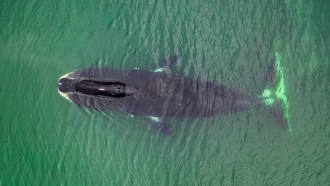
A changing Arctic current seems to be impacting bowhead whales
A teen researcher investigated bowhead whales and found their migrations may be responding to a changing sea current.
- Animals
Tiger beetles weaponize sound to ward off bat predators
Some beetles make ultrasonic clicks that camouflage them as toxic tiger moths, warning hungry bats to stay away.
- Animals
Analyze This: When do cats move like liquids?
Cats flow through narrow openings but hesitate before short openings. That may help them avoid unseen danger in the wild.
- Chemistry
Let’s learn about chocolate
Humans have been making chocolate for millennia. Now scientists are investigating how to make this tasty treat more abundant and nutritious.
- Animals
Meet some of the longest-lived animals
Think a 100-year-old person is old? Not compared to the world’s longest-lived animals — some of which have lifespans of thousands of years.
- Oceans
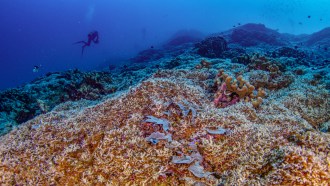
The world’s largest coral is longer than a blue whale
Scientists found the coral off the coast of the Solomon Islands.
- Ecosystems
Analyze This: In movies, wetlands often get a bad rap
Swamps in films are often linked to danger, death and strange things. But movies also highlight wetlands’ biodiversity and resources.
- Ecosystems
There’s life beneath the snow — but it’s at risk of melting away
The organisms that make winter homes in this subnivium help forests thrive year-round. But climate change is making this ecosystem disappear.
- Animals
Wayward baby puffins get help from a community-led Puffling Patrol
Fitted with ID tags or tracking devices, birds from one Iceland colony give scientists an eye into puffins’ largely unknown lives at sea.
- Oceans
Underwater mountains in the Pacific Ocean may be home to 20 new species
A recent expedition to undersea mountain ranges off the coast of Chile revealed a new seamount and a rich world of deep-sea biodiversity.
- Planets
The desert planet in ‘Dune’ is pretty realistic, scientists say
Humans could live on the fictional planet Arrakis from Dune. But thankfully giant sandworms probably could not.