Ecosystems: Interactions, Energy, and Dynamics
- Agriculture
Sheep poop may spread poisonous weed
Fireweed is a poisonous plant in Australia. Sheep can eat it without hurting themselves. But a teen found those sheep may be spreading more weeds.
- Health & Medicine
Library books could come with a side of germs
People transfer microbes to most of the things we touch. Does that extend to our library books? A teen did an experiment to find out.
- Animals
These killer whales exhale sickening germs
A group of endangered killer whales are exhaling disease-causing germs. Researchers worry these microbes could make the animals sick.
- Animals
Industrious badger caught burying an entire cow
Badgers are known to bury small animals. That allows them to save a meal for future dining. Now researchers have caught them caching something much bigger: young cows.
- Animals
Among mice, scratching is catching — as in contagious
Contagious itching spreads by sight, mouse-to-mouse. Scientists have now identified brain structures behind this phenomenon.
- Psychology
Cool Jobs: Doing real science in virtual worlds
Virtual reality isn’t just for gamers. Scientists are using VR technology to tackle real-world problems.
- Ecosystems
Cities drive animals and plants to evolve
Biologists are finding that some species have used genetic changes to evolve — adapt — to the pollution and other stressors that they encounter in cities.
- Ecosystems
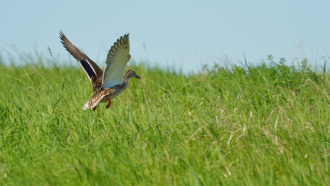
America’s duck lands: These ‘potholes’ are under threat
North America’s prairies are in trouble. Scientists race against the clock for clues about how to save the plants — and animals — that call it home.
- Chemistry
Did your burger come with a side of non-degrading pollutants?
Perfluorinated compounds pollute the environment and might harm human health. A new study shows that one place they often show up is the paper and cardboard used to package fast foods.
- Science & Society
Will we know alien life when we see it?
The hunt is on for extraterrestrials. But recognizing them may require some wiggle room in what we define as being alive.
- Earth
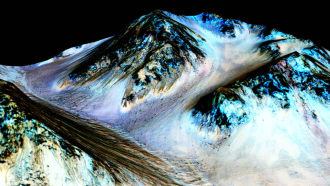
Keeping space missions from infecting Earth and other worlds
Scientists are always looking for ways to stop Earthly microbes from polluting other planets. The same goes for bringing bits of other planets back to Earth.
- Science & Society
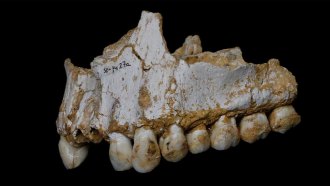
Fossils point to Neandertal diets — and medicine use
Whether Neandertals were largely meat-eaters or vegans depended on their environment, fossils now suggest. Their teeth also indicate they used natural medicines.