Ecosystems: Interactions, Energy, and Dynamics
- Health & Medicine
Violence spreads like a virus
New research shows that the friends of violent teens are much more likely to become violent themselves.
- Health & Medicine
Snot Science: Taking mucus to the next level
There’s more to science than just squirting snot. It’s time to place data in context and figure out how to take my boogers to the next level.
- Agriculture
World’s tallest corn towers nearly 14 meters
Short nights and a genetic tweak helped novel corn reach record heights.
- Animals
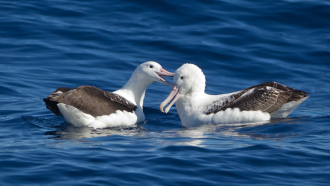
Food-like smell on plastic may lure seabirds to eat it
When plastic smells like supper, seabirds and other animals can be fooled into thinking it is food.
- Animals
Animals can do ‘almost math’
Humans aren’t the only animals with a number sense. Scientists are trying to figure out where and when it evolved.
- Brain
What makes a pretty face?
Beautiful faces are symmetrical and average. Do we prefer them because this makes them easier for our brains to process?
- Agriculture
Teen develops water-saving pods for seeds
In California’s drought, every drop of water counts. A teen developed a capsule to keep sprouting seeds wet and reduce water use.
- Environment
Ocean of the future may make shrimp small and colorful
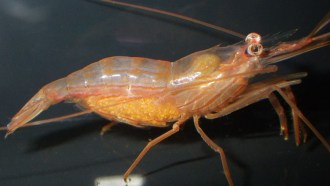
Carbon dioxide released into the air can end up in the ocean, making it more acidic. A teen showed that this acidification could shrink shrimp and make them more colorful.
- Genetics
New date for U.S. arrival of the AIDS virus
A new study shows that HIV started circulating at least a decade earlier than previously realized.
- Animals
Spidey sense: They can hear you!
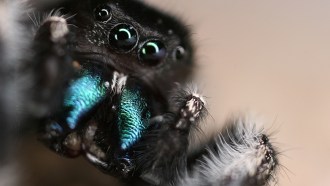
Surprise! At least some spiders can hear us. Even without eardrums, jumping spiders can still detect airborne sounds from across the room.
- Earth
Beaches can be a germy playground
Infectious microbes can flourish on sandy beaches. Scientists are now exploring how to find and monitor these hotspots for pollution that can make vacationers sick.
- Animals
Creative ways to help coral reefs recover
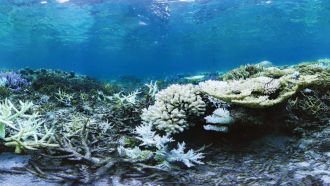
Coral reefs are under siege from threats ranging from climate change to explosives. But scientists are developing ways to rebuild reefs before they disappear.