Ecosystems: Interactions, Energy, and Dynamics
- Environment
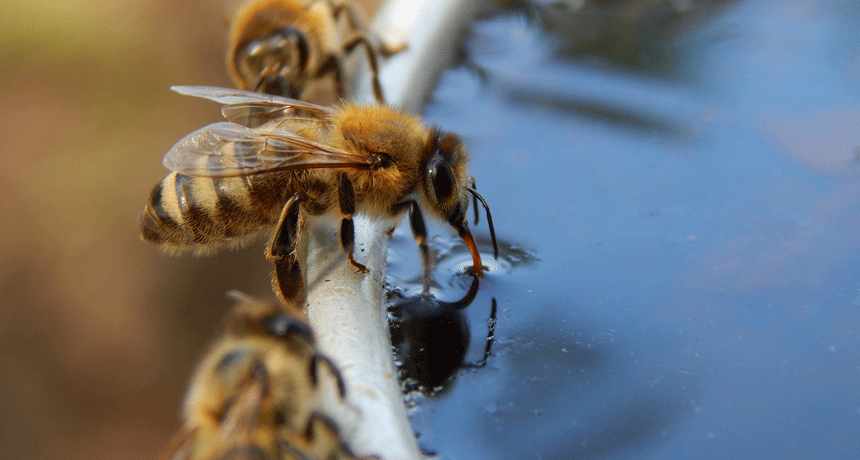
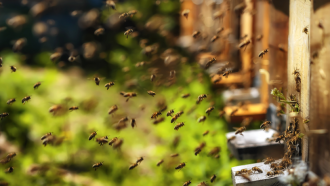
Cleaning up water that bees like to drink
Plant roots suck up pesticides used on soils, then release them into water that can seep from their leaves. This is a sweetened water that bees love to sip. A teen figured out how to remove most of the pesticide with bits of charcoal.
- Animals
Cool Jobs: A world aglow
Three scientists probe how the natural world makes light, in hopes of using this information to design new and better products.
- Agriculture
Teen converts water pollutant into a plant fertilizer
Too much phosphate can fuel algal growth, which can rob oxygen from the water. This can suffocate fish and other wildlife. Stefan Wan found a way to collect that pollutant, which can later be used as a farm nutrient.
- Animals
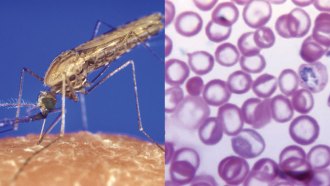
Malaria parasites lure mosquitoes to infected hosts
Malaria parasites leave behind an alluring molecule in their hosts’ blood. It draws mosquitoes to sip it, helping spread the disease these carry.
- Agriculture
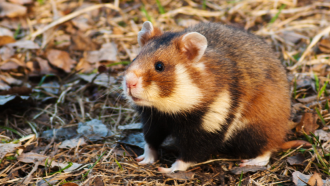
Wild hamsters raised on corn eat their young alive
European hamsters raised in the lab turn into crazy cannibals when fed a diet rich in corn, new data show. The problem may trace to a shortage of a key vitamin.
- Computing
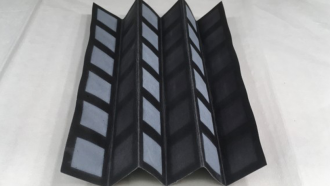
Germs power new paper batteries
New paper-based batteries rely on bacteria to generate electricity. These ‘papertronic’ power systems may be a safer choice for remote sites or dangerous environments.
- Animals
Cool Jobs: Abuzz for bees
These scientists are keeping bees healthy, making medicines for people from honey and constructing bee-inspired robots.
- Microbes
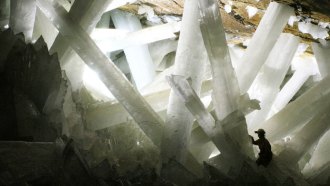
Giant cave crystals may be home to 50,000-year-old microbes
Microbes trapped in crystals in Mexico's Naica mine may represent some of the most distinct life forms ever found. The microbes have remained dormant for up to 50,000 years.
- Computing
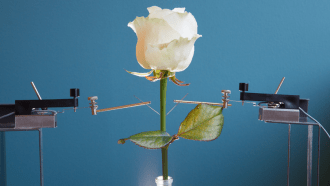
Wired and weird: Meet the cyborg plants
By mixing electronics with greenery, engineers have made plants that conduct electricity, detect bombs and send email.
- Science & Society
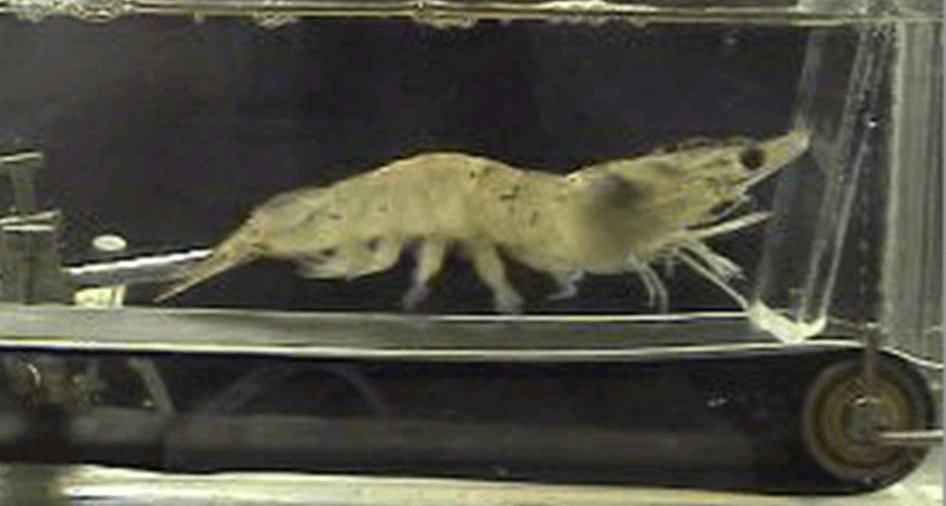
Shrimp on treadmills? Some science only sounds silly
Research that may seem silly, at first glance, often has a rewarding aim. Here are some examples.
- Ecosystems
Underwater meadows appear to fight ocean germs
The seagrasses that sway in coastal currents are more than aquatic groundcover. They can reduce harmful bacteria that might otherwise sicken neighboring animals, new data show.
- Animals
Under blanket of ice, lakes teem with life
Life under frozen lakes is vibrant, complex and surprisingly active, new research finds. In fact, some plants and animals can only live under the ice. But with climate change, will that continue?