Ecosystems: Interactions, Energy, and Dynamics
- Health & Medicine
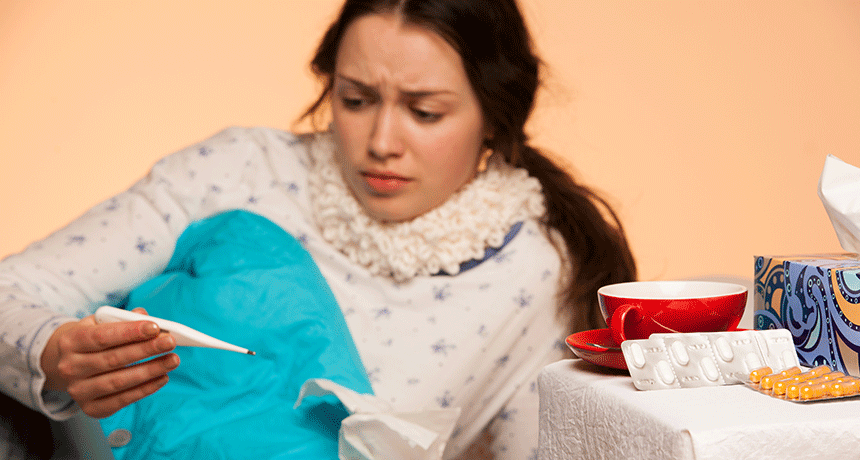
Analyze This: Flu vaccine’s protection varies
Getting a flu shot every year is an important way to protect yourself and those around you — even if the vaccine isn’t 100 percent effective.
- Agriculture
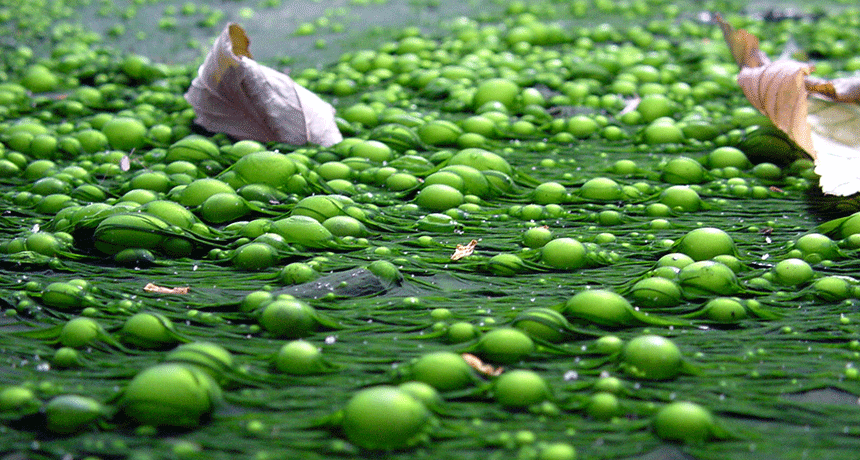
Explainer: The fertilizing power of N and P
Two elements — nitrogen and phosphorus — help plants grow. When the soil doesn’t have them, farmers might add them in the form of fertilizer.
- Physics
Disabilities don’t stop these experts in science and tech
People with disabilities are as varied as the careers some of them pursue in science, technology, engineering and math.
- Genetics
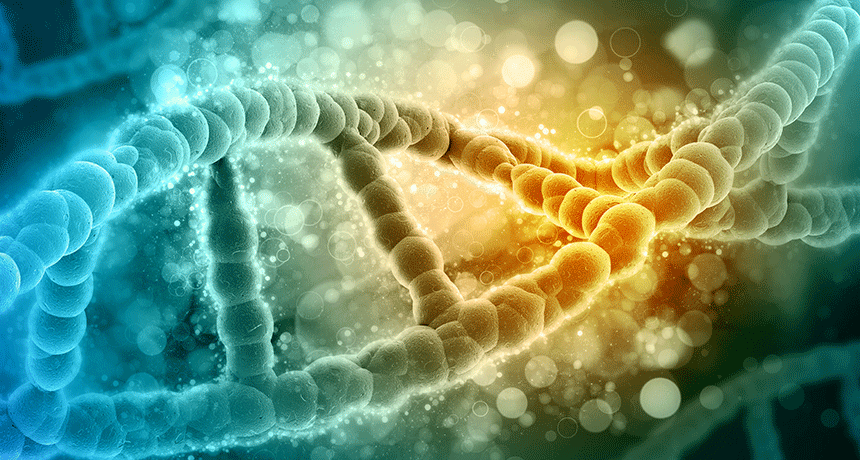
Explainer: How CRISPR works
Scientists are using a tool called CRISPR to edit DNA in all types of cells.
- Health & Medicine
Explainer: What is a vaccine?
Vaccines give the body’s natural defense system a boost against infectious disease.
- Animals
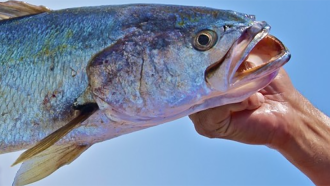
Listening to fish love songs can predict their numbers
Gulf corvinas croak for mates while in groups of millions. By listening to their undersea serenades, scientists may be able to estimate how many are out there.
- Agriculture
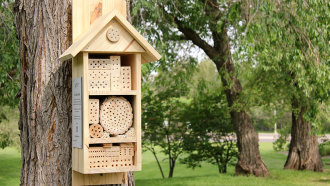
Bee hotels are open for business
Bee hotels are creating a buzz in conservation and research by offering nesting places for wild bees.
- Climate
Hunting the mysterious source of a global illness
Doctors and scientists around the world are scouring the environment for the elusive cause of Kawasaki disease, a harmful childhood illness.
- Animals
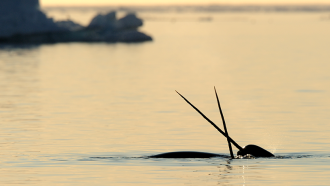
Beware the tap of the narwhal’s tusk
A new video shows narwhals using their tusks to tap fish before eating them. They might be stunning their prey — or just playing with their food.
- Ecosystems
Camera catches new fish species — as it’s eaten!
A video of a lionfish eating a new-found species of fish raises concerns about the threat lionfish pose to undiscovered species in deep reefs.
- Chemistry
Trees can make summer ozone levels much worse
The greenery can release chemicals into the air that react with combustion pollutants to make ozone. And trees release more of those chemicals where it gets really hot, a new study finds.
- Animals
Popular pesticide may harm bee flight
In a lab experiment, honeybees flew sluggishly after eating pesticide-tainted food.