Ecosystems: Interactions, Energy, and Dynamics
- Fossils
Parasites wormed their way into dino’s gut
Tiny burrows crisscross the stomach of a 77-million-year-old dinosaur fossil. These may be tracks left behind by slimy parasitic worms.
- Animals
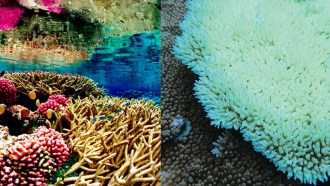
Current coral bleaching event is the longest known
Heat stress has led to the longest coral bleaching event on record. Scientists now worry that global warming may make such prolonged crises more frequent.
- Health & Medicine
Scientists Say: Poisonous
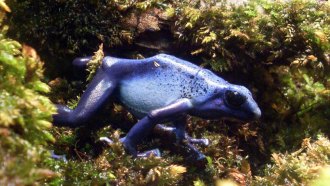
A poison-arrow frog is poisonous, but a rattlesnake is not. What’s the difference? It’s how the poison is delivered.
- Earth
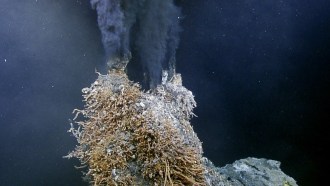
Seafloor hosts surprising number of deep-sea vents
A new sensor detects changes in seawater chemistry and finds far more ecosystem-supporting seafloor vents than scientists had believed were out there.
- Health & Medicine
Zika vaccines look promising
As a Zika epidemic surges through Brazil and northward, scientists are looking for drugs to keep more people from becoming infected. Several vaccines show promise in early tests — but none has yet been tried in people.
- Animals
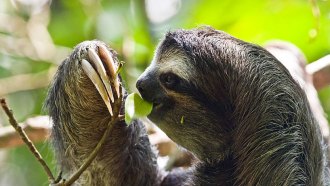
This mammal has the world’s slowest metabolism
A sloth species manages to exist with a super-slow metabolism by moving little and using its environment for heating and cooling its body.
- Chemistry
Scientists Say: Toxin
It is safe to refer to any poison as toxic. But while all toxins are poisonous, most poisons are not toxins.
- Animals
Singing lemurs sync up — until one goes solo
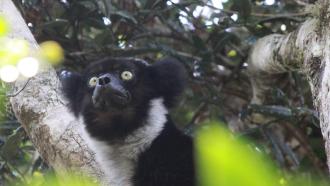
The indri lemurs of Madagascar sing in chorus to mark their territory. But young males sometimes solo, which may help them attract a mate.
- Animals
Leapin’ eels! Video shows they attack with zaps
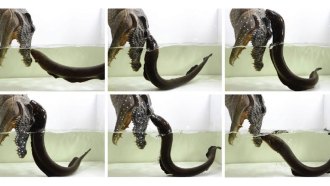
When a predator threatens an electric eel from above, the animals leap up to deliver a shocking defense.
- Animals
How a moth went to the dark side
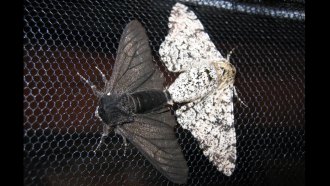
Peppered moths and some butterflies are icons of evolution. Now scientists have found a gene responsible for making them so.
-
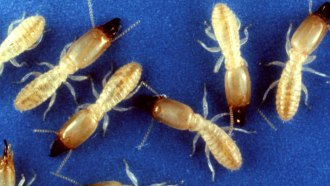
Ink leads way to terminating termites
Inspired by a classroom experiment, a teen has built a way to lure troublesome termites to their death — using the power of ink.
- Animals
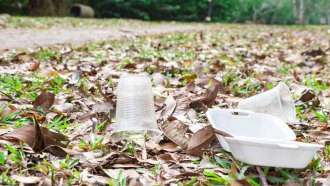
Teens use science to worm through plastic waste
Some beetle larvae can eat plastic, which might be good for our pollution problem. But which types eat the most can vary a lot, these young scientists find.