Ecosystems: Interactions, Energy, and Dynamics
- Animals
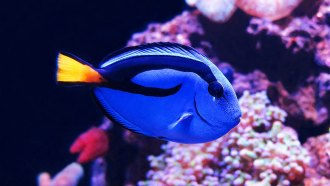
Catching ‘Dory’ fish can poison entire coral reef ecosystems
More than half of saltwater-aquarium fish sold in the United States may have been caught in the wild using cyanide, new data show.
- Earth
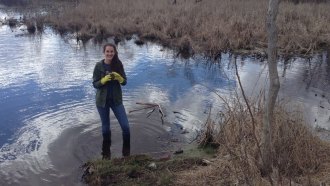
Fighting big farm pollution with a tiny plant
Fertilizer runoff can fuel the growth of toxic algae nearby lakes. A teen decided to harness a tiny plant to sop up that fertilizer.
- Archaeology
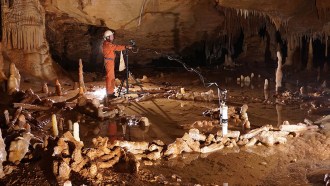
Neandertals: Ancient Stone Age builders had tech skills
Neandertals built stalagmite circles in a French cave 176,500 years ago. These structures show that these ancient human cousins had social and technical skills.
- Animals
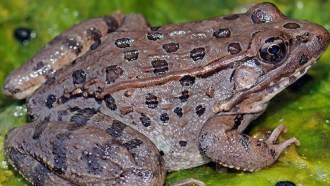
Why some frogs can survive killer fungal disease
A disease is wiping out amphibian species around the globe. New research shows how some frogs develop immunity.
- Animals
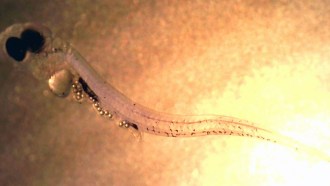
Uh oh! Baby fish prefer plastic to real food
Given a choice, baby fish will eat plastic microbeads instead of real food. That plastic stunts their growth and makes them easier prey for predators.
- Animals
The shocking electric eel!
Electric eels are fascinating animals. Their powerful zaps can act like a radar system, trick fish into revealing their location and then freeze their prey’s movements.
- Animals
Eating toxic algae makes plankton speedy swimmers
After slurping up harmful algae, copepods swim fast and straight — making them easy prey for hungry predators.
- Animals
Common plant could help fight Zika virus
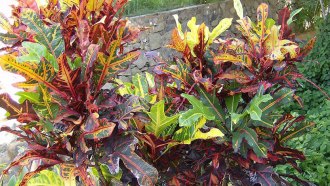
A teen discovered that extracts from leaves of the San Francisco plant (Codiaeum variegatum) kill larvae of the mosquito that helps spread the Zika and dengue fever viruses.
- Earth
How ancient African fish feed today’s Amazon
Many of the world’s lushest tropical forests would starve if winds didn’t bring them nutrient-rich dust from across an ocean.
- Animals
Snot may be key to dolphins’ tracking of prey
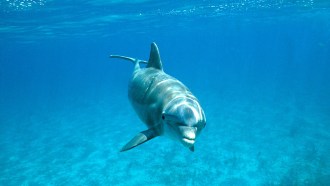
Dolphins produce clicking noises that bounce off of prey, like sonar, showing where they are. Mucus in the animals’ nasal passages may make that ‘sonar’ work.
- Animals
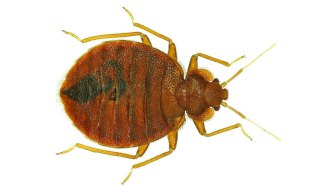
Bed bugs have favorite colors
Bed bugs change their color preferences as they get older. Adults like red and black, which may help the dark bugs avoid predators.
- Animals
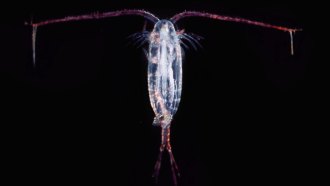
Scientists Say: Copepod
Copepods are tiny crustaceans. They eat phytoplankton and float in the water column, although some live in freshwater and on the sea floor.