Ecosystems: Interactions, Energy, and Dynamics
- Agriculture
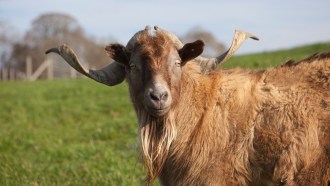
Livestock: A need to save rare breeds
New studies and ongoing work highlight why society should save rare livestock breeds — and the part that technology can play.
- Animals
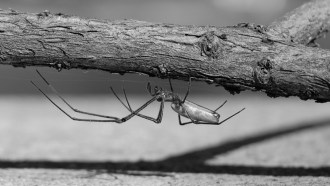
Spidey sense: Eight-legged pollution monitors
Spiders that prey on aquatic insects can serve as sentinels that naturally monitor banned chemicals that still pollute many rivers across the United States.
- Animals
Virus blamed in starfish die-off
A virus may explains the deaths of millions of starfish along the Pacific Coast of North America. The deaths affect 20 species. Some of the stricken animals appear to melt into puddles of slime.
- Animals
Tar pit clues provide ice age news
New analyses of insects and mammals trapped in the La Brea Tar Pits point to climate surprises during the last ice age.
- Animals
Tiny — but mighty — food-cleanup crews
Discarded food wastes can turn city spaces into food courts for disease-carrying rats and pigeons. But a new study shows tiny cleanup crews — especially pavement ants — are doing their best to eliminate such wastes. This, in turn, makes cities less attractive to bigger pests.
- Genetics
How ‘bugs’ in our bellies impact our health
Gut bacteria can play a powerful role in human health, new studies show. In one, bacteria turned a nutrient in red meat into a chemical that boosts the risk of a heart attack. Another study shows that our genes play a role in whether we are fat or thin, probably by affecting which bacteria prefer to live in our intestines.
- Climate
The worst drought in 1,000 years
The 1934 drought, during a period in American history known as the Dust Bowl, was the worst in a millennium, a new study finds. While the drought had natural origins, human activities made it worse.
- Animals
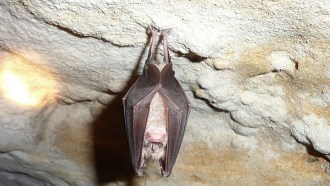
Scientists seek bat detectives
Bats emit high-pitched calls in the night to find their way around. A citizen science project is eavesdropping on these calls to probe the health of ecosystems.
- Animals
New frog discovered in New York City
This animal could almost be mistaken for the southern leopard frog — until it opens its mouth. The call the males issue has proven unique.
- Genetics
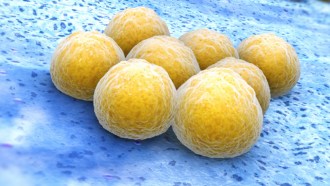
Germs help each other fend off antibiotics
Drug-resistant bacteria can cause persistent infections. A new study finds these germs fight drugs in different ways. And they can swap various compounds, increasing their neighbors’ chances of overcoming the drugs meant to kill them.
-
Food can make an appetizing science fair project
Many students think they need a laboratory or special equipment for a winning research project. But finalists at the Broadcom MASTERS competition showed food-based research may require little more than your home kitchen
- Animals
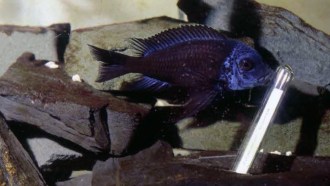
Fish just wanna have fun
Although biologists have observed fish playing before, scientists have now recorded hours of video showing a new type of antic in fish.