Ecosystems: Interactions, Energy, and Dynamics
- Health & Medicine
Peanuts for baby: A way to avoid peanut allergy?
Making peanut products a baby food could head off life-threatening peanut allergies later, new data show.
- Animals
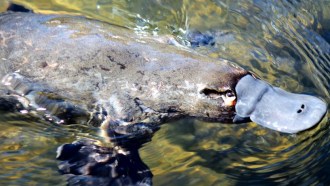
Cats and foxes are eating up Australia’s mammals
Since the arrival of Europeans in Australia, a startling number of mammal species have disappeared. A new study puts much of the blame on cats and foxes introduced by the early settlers.
- Health & Medicine
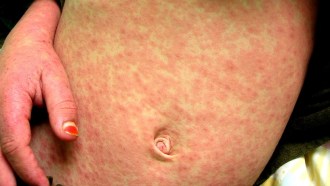
10 things to know about measles
Many people think that the measles vaccine wiped out the disease — at least in the United States. It hasn’t. And people who were never vaccinated face the primary risk of getting this very serious disease
- Animals
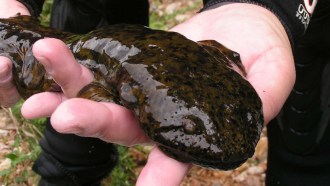
Hellbenders need help!
Hellbenders already face threats such as habitat loss, pollution and disease. But climate change could make matters worse. And the problems facing hellbenders could spell trouble for more than just these giant amphibians.
- Climate
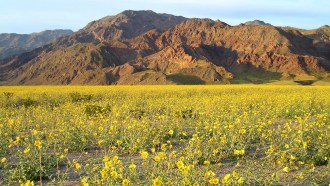
Desert plants: The ultimate survivors
Creosote, mesquite and other desert plants rely on different adaptations to thrive, even when no rain falls for an entire year.
- Genetics
Immunity: Environment can have big impact
A study on twins suggests that environmental factors can shape a person's immune system more than genes do.
- Health & Medicine
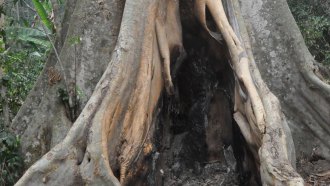
Ongoing Ebola outbreak traced to hollow tree
Scientists suspect the current Ebola outbreak started with bats that lived in a hollow tree in Guinea. The outbreak's first victim, a two-year-old boy, often played in the tree.
- Health & Medicine
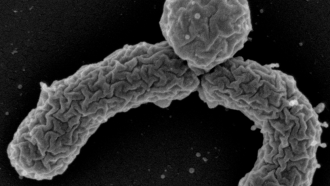
New germ fighter turns up in dirt
Scientists have found a compound in soil that can kill the microbes that cause anthrax, tuberculosis and other diseases.
- Life
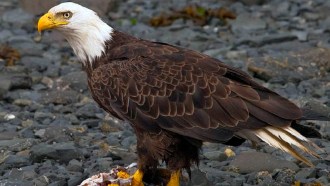
Scientists say: Biomagnify
Chemicals in the environment can build up in an animal’s tissues. Predators who feed on these animals can accumulate more and more of the pollutants, a process known as biomagnification.
- Animals
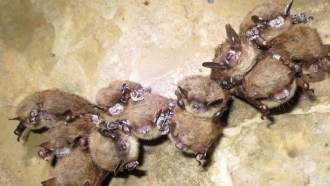
Picture This: Winter brings white noses
White-nose syndrome, caused by a fungus, has killed millions of bats in the eastern United States. Now, scientists show that the disease comes and goes, by season. The finding could help scientists more effectively target any treatments.
- Agriculture
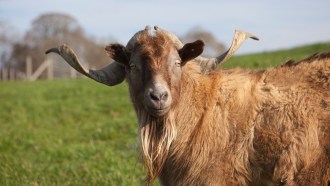
Livestock: A need to save rare breeds
New studies and ongoing work highlight why society should save rare livestock breeds — and the part that technology can play.
- Animals
Spidey sense: Eight-legged pollution monitors
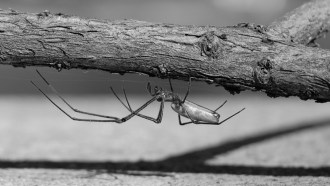
Spiders that prey on aquatic insects can serve as sentinels that naturally monitor banned chemicals that still pollute many rivers across the United States.