Engineering Design
- Materials Science
Micro-barbs could make shots less painful
A new type of microneedle design might take the sting out of shots and stick to the skin better than other approaches.
-
Climb like a slo-mo Spiderman using this super suction robot
A whooshing ring of water keeps the robot’s vacuum from losing grip, even on rough surfaces
- Animals
Mice show their feelings on their faces
Pleasure, pain, fear and disgust — all can show on a mouse’s face. As computational analyses show, you just need to know what to look for.
- Health & Medicine
Tackling the novel coronavirus calls for novel ideas
Teams around the world are proposing new innovations to fight COVID-19. Projects tackle supply shortages, new treatments, vaccines and more.
- Chemistry
COVID-19 victims could breathe easier with these innovations
Feared equipment shortages due to the COVID-19 pandemic have prompted research teams to develop novel technologies to help oxygen-starved lungs.
- Environment
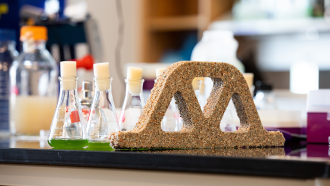
This ‘living’ concrete slurps up a greenhouse gas
Microbes help harden a mix of sand and gelatin into a living concrete that could interact with people and the environment in great new ways.
- Humans
Brainwaves of people with coarse, curly hair are now less hard to read
Electrodes weren’t designed for people with coarse, curly hair. A redesign was needed, scientists say.
- Health & Medicine
First drug is found to block the new coronavirus
A series of new trials show that the antiviral drug remdesivir offers promise in speeding the recovery of patients with COVID-19.
- Chemistry
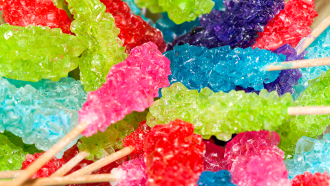
Rock Candy Science 2: No such thing as too much sugar
Making rock candy at home takes a lot more sugar than you might think. Why? This experiment will show you why.
- Environment
Here’s one way to harvest water right out of the air
Need water but you have no access to rain, lakes or groundwater? Materials known as metal-organic frameworks could be used to slurp that water from the air, new data show.
- Health & Medicine
Six foot social-distancing will not always be enough for COVID-19
To avoid COVID-19, keeping a 6-foot social distance is a good rule of thumb. But for plenty of instances, that might not be nearly far enough.
- Environment
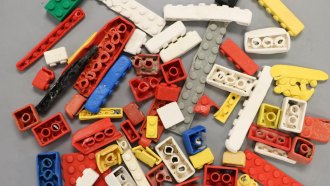
Legos could last a disturbingly long time in the ocean
By looking at toys washed up on beaches, scientists have estimated how long it takes hard plastics to break down in the oceans. And it’s a long time.