From Molecules to Organisms: Structures and Processes
- Genetics
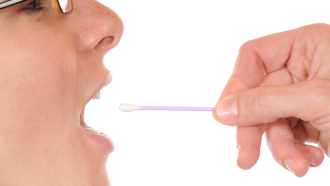
Explainer: How DNA testing works
Lots of companies will now test DNA from people and their pets. How do these gene-sequencing techniques work? We explain.
- Health & Medicine
Ultrasound might become a new way to manage diabetes
Ultrasound turns on production of the hormone insulin in mice. Someday, it might help maintain healthy blood-sugar levels in people who were recently diagnosed with diabetes.
- Life
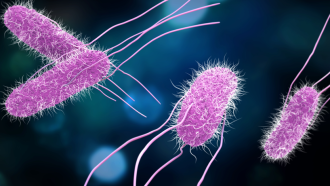
Explainer: Prokaryotes and Eukaryotes
Prokaryotes tend to be small and simple, while eukaryotes have embraced a highly organized lifestyle. These divergent approaches to life have both proved very successful.
- Health & Medicine
Explainer: The benefits of phlegm, mucus and snot
There are many types of mucus in the body. They might seem gross, but these gloppy goos are the first line of defense against infection.
- Health & Medicine
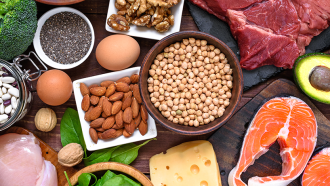
Explainer: What are proteins?
In the body, proteins act as biochemical machines to carry out the work of cells.
- Health & Medicine
Explainer: Taste and flavor are not the same
What’s behind a food’s flavor? More than what we taste, it turns out.
- Health & Medicine
Explainer: What is the vagus?
The vagus nerve runs from the brain all through the body. It controls many basic functions, including how fast the heart beats.
- Animals
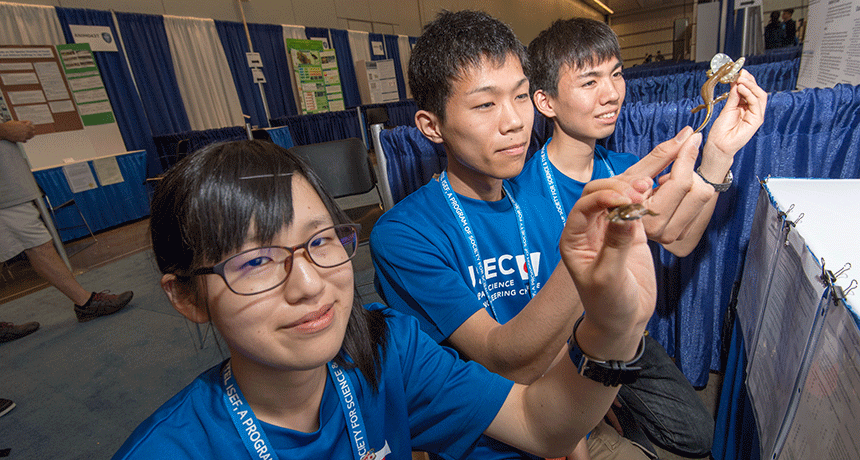
Hunting hidden salamanders with eDNA
The Japanese clouded salamander is an elusive beast. To find a new population, three teens turned to high-tech methods.
- Earth
Restaurant diners may ingest extra pollutants
People who dine out have higher levels of certain potentially harmful pollutants in their bodies than do people who eat home-cooked meals, new data show.
- Health & Medicine
Scientists discover how norovirus hijacks the gut
Noroviruses make people vomit, but scientists didn’t actually know why. It now turns out that those viruses cause their misery by attacking special “tuft” cells in the gut.
- Genetics
Your DNA is an open book — but can’t yet be fully read
There are many companies that offer to read your DNA. But be prepared: They cannot yet fulfill all those promises you read in their ads.
- Animals
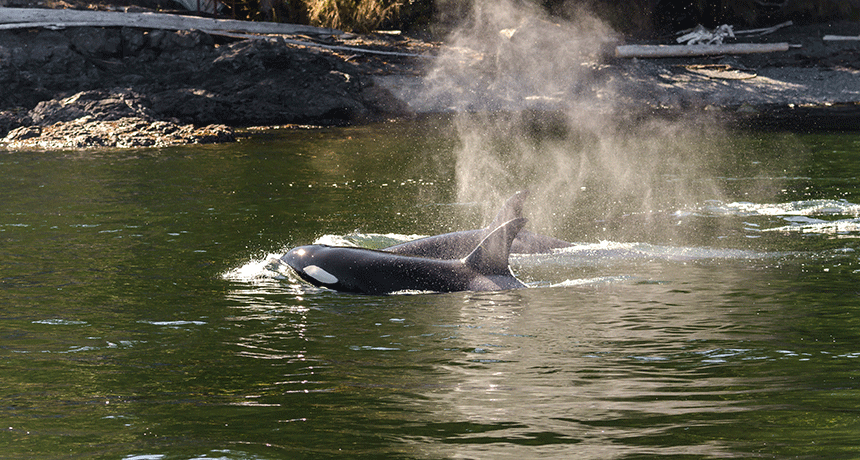
Orca snot leads to a whale of a science-fair project
DNA found in the mucus of orcas suggests that even though the traits of family pods may differ, these marine mammals all appear to belong to a single species.