Earth
Scientists Say: Subsidence
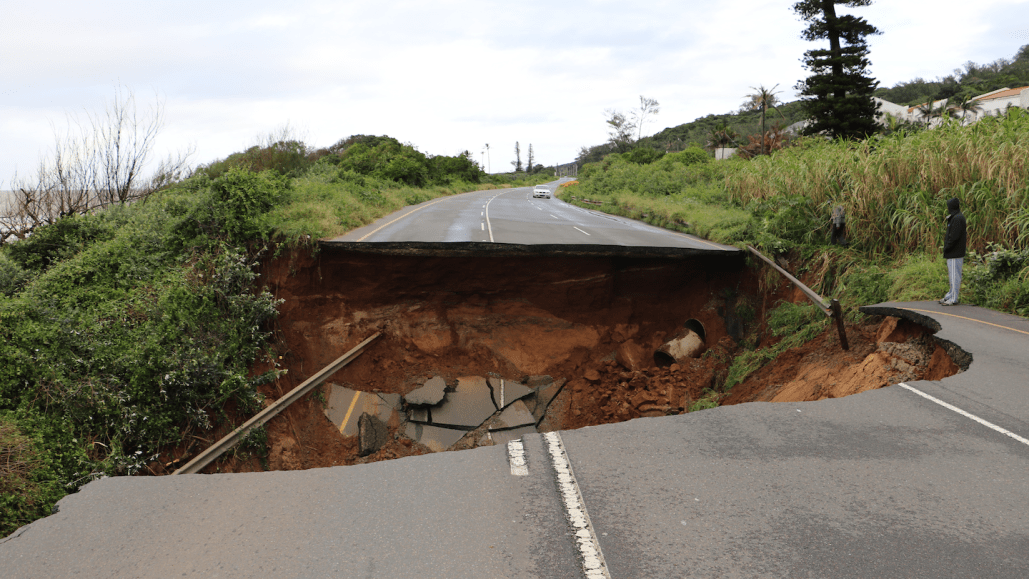
This word describes land that sinks after water, minerals, oil or other materials are removed below ground.
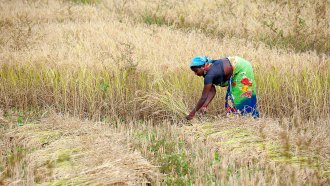
Called enhanced rock weathering, spreading crushed basalt on crop lands can deliver farmers yet another bonus: bigger harvests.
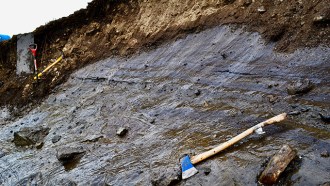
Thanks to climate change, thawing permafrost in the Canadian Arctic has revealed this glacier remnant that could be more than a million years old.
As rivers seek out easier routes to the sea, path reroutes can transform our world. This is ‘avulsion’ refers to in geology. In medicine, the word can describe injuries.
High heat and little rain have extended wildfire season to year-round in some parts of California. Fast winds and dry conditions are fueling L.A.’s current infernos.
Broken bodies found at a house in Pompeii suggest that earthquakes played a role in the legendary tragedy.
Lowering carbon levels in our atmosphere to stabilize the climate may start with switching from fossil fuels to greener energy sources.
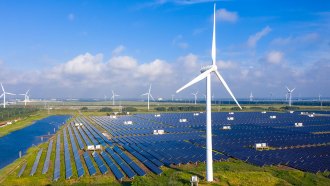
Switching over to clean, renewable power — and away from fossil fuels — could save trillions of dollars by 2050, a new study finds.
This is bad news as a warming planet leads to growing numbers of excessive heat waves — and millions more people facing potentially deadly temperatures.
It appears the Pine Island and “Doomsday” Thwaites glaciers are losing ice — and shrinking faster — than at any time in the past 5,500 years.