HS-ESS3-4
Evaluate or refine a technological solution that reduces impacts of human activities on natural systems.
- Chemistry
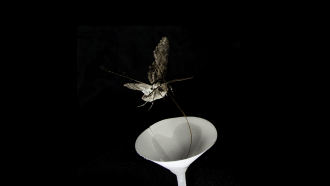
Air pollution can make it harder for pollinators to find flowers
Pollutants that build up in night air can break down the scents that attract pollinating hawkmoths to primrose blooms, disrupting their pollination.
- Chemistry
Turning jeans blue with sunlight might help the environment
When dipped in indican and exposed to sunlight, yarn turns a deep blue. This process is more eco-friendly than the current denim dyeing method.
- Earth
Experiment: Can plants stop soil erosion?
Soil erosion washes pollutants into streams and rivers — but plants may help limit that.
- Earth
Many natural underground stores of freshwater are shrinking
A lot of these aquifers are quickly disappearing due to climate change and overuse. Fortunately, there is growth in some of the world’s major aquifers.
- Plants
This urban gardener is mimicking nature to create healthier plants
Urban garden specialist Kwesi Joseph is experimenting with rock dust and plants. He also helps New York City community and school gardens with gardening problems.
- Artificial Intelligence
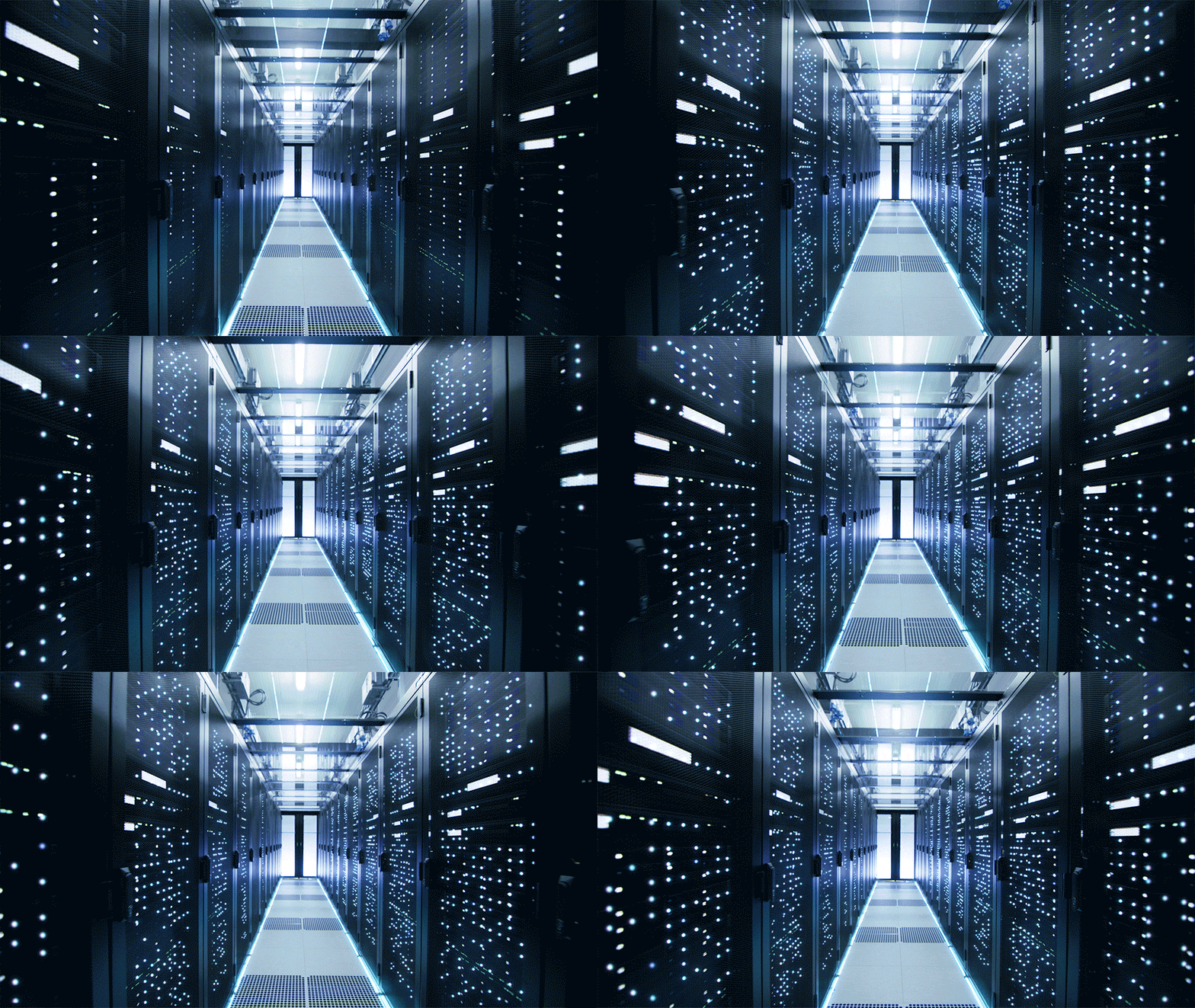
To ‘green’ AI, scientists are making it less resource-hungry
Energy demands of ChatGPT and similar AI tools can threaten Earth’s climate. So researchers have begun redesigning how to run data centers and build AI.
- Chemistry
Pollution power? A new device turns carbon dioxide into fuel
Scientists made a device that converts the greenhouse gas into formate. This salt can then run a fuel cell to make electricity.
- Life
Has the Endangered Species Act saved species from extinction?
After 50 years, this landmark law has kept many species alive — but few wild populations have recovered enough to come off the “endangered” list.
- Environment
New ultrathin materials can pull climate-warming CO2 from the air
To slow global warming, we’ll need help from CO2-trapping materials. Enter MXenes. They’re strong and reactive — and they love to eat up CO2.
- Tech
How green is your online life?
From the manufacturing of our favorite devices to using them for social interactions, our digital lives can have a big climate impact.
- Tech
Bits of trees can make and store energy for us to use
This cellulose and lignin, two major building blocks of trees, could lead to greener electronics.
- Tech
Bionic plants and electric algae may usher in a greener future
Some can aid the climate by removing pollutants. Others would just avoid dirtying the environment in the first place.