HS-ESS3-4
Evaluate or refine a technological solution that reduces impacts of human activities on natural systems.
- Earth
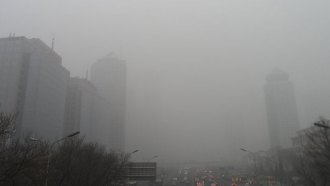
Breathing very dirty air may boost obesity risk
Breathing dirty Beijing air made rats heavier and less healthy than rats breathing clean air. Scientists now worry such polluted air may do the same thing to people.
- Climate
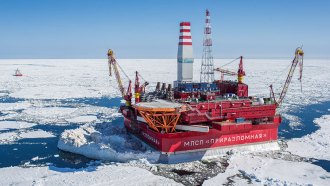
Arctic ice travels fast, carrying pollution
Climate change is melting old sea ice in the Arctic. Now, younger, thinner ice is migrating far and fast, taking pollutants with it.
- Animals
Wildlife forensics turns to eDNA
Environmental DNA, or eDNA, tells biologists what species have been around — even when they’re out of sight or have temporarily moved on.
- Earth
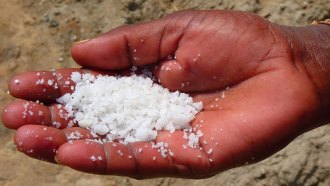
Table salt and shellfish can contain plastic
Bits of plastic have turned up in sea salts purchased in Chinese supermarkets. The finding suggests all sea salts may be similarly tainted. Shellfish too.
- Space
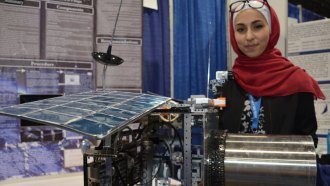
Collecting trash in space
Space junk threatens satellites that cost millions of dollars. But one teen has come up with an idea to collect and dispose of that orbiting trash.
- Climate
Warming’s role in extreme weather
Extremes in temperature and precipitation will be more common as global temperatures rise. Human-led climate change is largely to blame, a new study finds.
- Materials Science
Cool Jobs: Big future for super small science
Scientists using nanotechnology grow super-small but very useful tubes with walls no more than a few carbon atoms thick. Find out why as we meet three scientists behind this huge new movement in nanoscience.
- Agriculture
Ditching farm pollution — literally
An Indiana project shows how fighting fertilizer runoff can save farmers money, protect wild habitats and prevent harmful algae blooms.
- Earth
Scientists Say: Microplastic
Bits of plastic smaller than five millimeters are called microplastics. They can end up in the ocean, where corals might mistake them for food.
- Animals
Spidey sense: Eight-legged pollution monitors
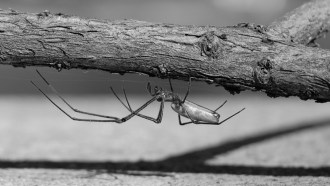
Spiders that prey on aquatic insects can serve as sentinels that naturally monitor banned chemicals that still pollute many rivers across the United States.
- Animals
Coming: The sixth mass extinction?
Species are dying off at such a rapid rate — faster than at any other time in human existence — that many resources on which we depend may disappear.
- Microbes
Recycling the dead
When things die, nature breaks them down through a process we know as rot. Without it, none of us would be here. Now, scientists are trying to better understand it so that they can use rot — preserving its role in feeding all living things.