HS-LS1-2
Develop and use a model to illustrate the hierarchical organization of interacting systems that provide specific functions within multicellular organisms.
- Animals
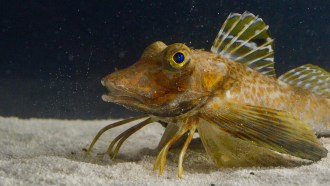
Some fish have legs that can taste prey underfoot
Taste buds on those legs may explain why northern sea robins are so good at finding food that is buried in the sandy seafloor.
- Animals
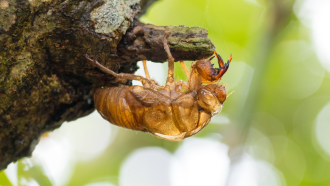
Scientists Say: Exoskeleton
This plate armor provides protection to insects, spiders and more. But that benefit comes with tradeoffs.
- Brain
Let’s learn about memory
Brain injuries, drug use and other factors can impair our memory. But targeted practice and healthy habits can boost our ability to remember.
- Plants
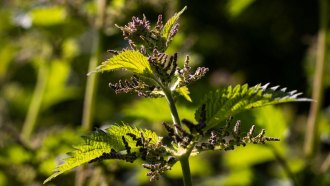
Scientists Say: Circumnutation
Plants are always on the move, their tips slowly waving in search of better light — a process called circumnutation.
- Tech
Squirty gels bring food-like flavors to virtual reality
A new device recreates complex flavors including lemonade, coffee and fish soup by delivering a mix of chemicals.
- Health & Medicine
Scratching an itch has both good effects and bad
Mice that scratch itchy ears trigger more redness and swelling — but also may combat harmful bacteria.
- Health & Medicine
Explainer: What is asthma and how is it treated?
This chronic narrowing of lung airways can make it hard to breathe. Fortunately, drugs can widen those airways — even in people with severe asthma symptoms.
- Humans
Biological sex is more complex than just male or female
Trying to define sex with just two options fails to reflect the wide range of natural variation in human genetics, hormones and biology.
- Animals
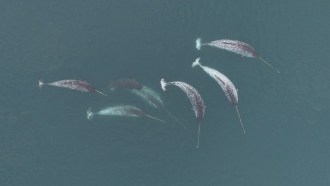
Narwhals may use their enormous lance-like tusks to play
Video shows narwhals using their tusks to prod — even flip — fish they don’t target as prey. It’s the first reported evidence of these whales playing.
- Brain
Scientists Say: Neuroplasticity
Neurons in the brain forge new connections and sometimes trim back old ones. This capacity for change allows us to learn new skills and recover from injury.
- Plants
Could trees ever get up and walk away?
In fantasy, trees can walk, climb and even fight. Real trees move, too. It just happens in extreme slow mo.
- Health & Medicine
This Indigenous herb may improve therapy for muscle disorder
Treating weakened fruit flies with an herb-drug combo was more effective than the usual drug-only treatment.