HS-LS4-3
Apply concepts of statistics and probability to support explanations that organisms with an advantageous heritable trait tend to increase in proportion to organisms lacking this trait.
- Animals
How do you build a centaur?
A centaur has the torso of a human and the body of a horse. It may sound cool, but it wouldn’t work very well.
- Animals
Scientists Say: Evolution
Evolution is how species change over time. Individuals in the group vary, and some will pass on their genes. Over time, the whole species changes.
- Animals
Attack of the inner-cannibal mega-shark
The outsized megalodon was a fierce terror that chewed its way across the oceans. It learned to kill even before it was born.
- Genetics
Gene editing can alter body fat and may fight diabetes
Researchers have long dreamed of using brown fat to fight obesity and diabetes. Work in animals shows they’re closing in on achieving that dream.
- Genetics
Some Neandertal genes may up the risk of severe COVID-19
Most of the affected people descend from communities in South Asia or live in Europe today.
- Microbes
Some deep-seafloor microbes still alive after 100 million years!
Some starving microbes nap while awaiting their next meal. For some living miles below the ocean surface, that nap may exceed 100 million years.
- Animals
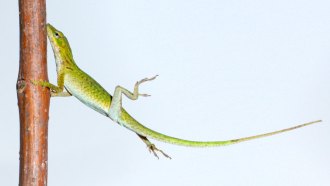
Analyze This: Hurricanes may help lizards evolve better grips
Lizards have larger toepads in areas that tend to have higher hurricane activity. This suggests high winds select for those that can hang tight.
- Genetics
A Hong Kong man got the new coronavirus twice
His is the first confirmed case of reinfection with this virus. His second bout was detected by accident, because he showed no symptoms.
- Fossils
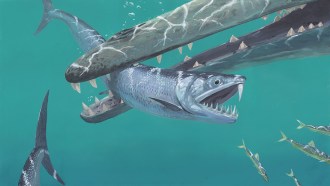
Saber-toothed anchovy relatives were once fearsome hunters
Today’s plankton-eating anchovies sport tiny teeth. But their ancient kin were armed with spiky lower teeth and a giant upper sabertooth.
- Animals
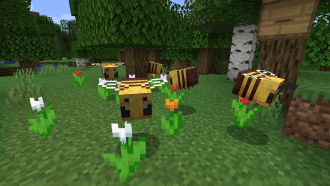
Minecraft’s big bees don’t exist, but giant insects once did
Big bees buzz in Minecraft. In our world, blocky bees might starve and be stuck on the ground. Yet long ago, giant insects did roam our planet.
- Animals
Analyze This: Shimmering colors may help beetles hide
Delve into data showing how brilliant colors that shift as a viewer — or predator — moves may help iridescent insects blend in.
- Animals
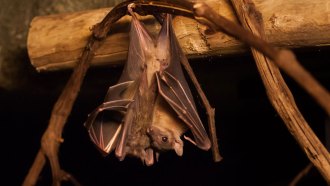
Immune arms-race in bats may make their viruses deadly to people
An overactive immune system may help bats avoid being sickened by many viruses. This may viruses becoming stronger — and deadlier — when they hit other species.