Matter and Its Interactions
- Tech
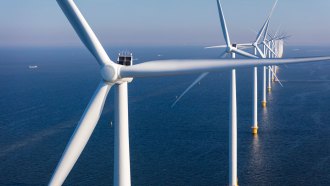
Offshore wind farms could do far more than just make clean power
Offshore wind farms cost more than onshore ones. But their ability to make ‘green’ hydrogen and capture carbon dioxide could help this wind power pay off.
- Environment
New ultrathin materials can pull climate-warming CO2 from the air
To slow global warming, we’ll need help from CO2-trapping materials. Enter MXenes. They’re strong and reactive — and they love to eat up CO2.
- Physics
Heat makes water evaporate. Now it appears light can, too
In the lab, shining light on water made it evaporate faster. This never-before-seen effect, if real, might be happening naturally all around us.
- Tech
Particles from tree waste could prevent fogged lenses, windshields
A new coating made from a renewable resource — water-loving nanoparticles made from wood — could keep glass surfaces fog-free.
- Tech
Bits of trees can make and store energy for us to use
This cellulose and lignin, two major building blocks of trees, could lead to greener electronics.
- Tech
Explainer: The hydrogen rainbow
Hydrogen works the same, regardless of its source. But how clean or “green” it is very much hinges on its color-coded name — which points to how it was made.
- Climate
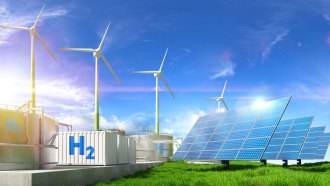
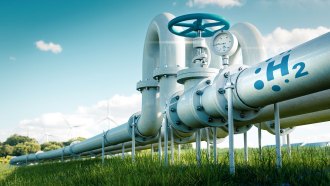
Hydrogen energy could help our climate — depending on its source
Hydrogen energy doesn’t emit greenhouse gases when it’s used. But how it’s produced will affect how useful it can be in slowing climate change.
- Tech
Engineers cook up a new way to tackle CO2: Make baking soda
Engineers have found a material that can collect carbon dioxide from the air. When later mixed with water, it forms baking soda that can be shed in the sea.
- Materials Science
A new hydrogel could help pull drinking water from the air
The salty gel absorbs more water from the air than similar gels, even in desert climates. This could provide clean water for drinking or farming.
- Earth
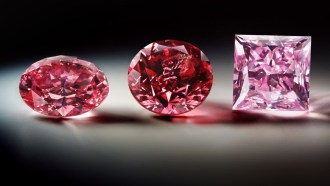
To get diamonds perfect for Barbie, make and break a supercontinent
Most pink diamonds may have formed billions of years ago during the tectonics that led to formation and breakup of Nuna, Earth’s first supercontinent.
- Tech
New tech 3-D prints ouchless COVID-19 vaccine patches
A new compact 3-D printer can produce COVID-19 vaccine patches. These are less painful than the jab and can be stored more easily than liquid vaccines.
- Chemistry
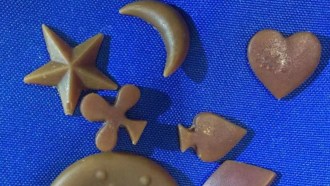
Scientists turn plastic wastes into soap
Chemists developed a way to turn plastic waste into surfactants. Those chemicals could one day become key recruits in a greener war on grime.