MS-ESS2-1
Develop a model to describe the cycling of Earth's materials and the flow of energy that drives this process.
- Earth
El volcán de Santorini erupciona más cuando baja el nivel del mar
Los datos que demuestran esta relación entre las erupciones de este volcán griego y el nivel del mar se remontan al menos a 360,000 años.
- Earth
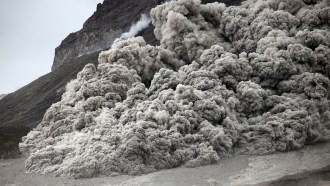
Volcanic avalanches may be more destructive than previously thought
Pressures within these pyroclastic flows may be as much as three times as high as observations had suggested.
- Climate
The ‘Doomsday’ glacier may soon trigger a dramatic sea-level rise
The ice shelf that had kept it in place could fail within five years. That would speed the glacier’s slip into the ocean, boosting a rise in sea levels.
- Earth
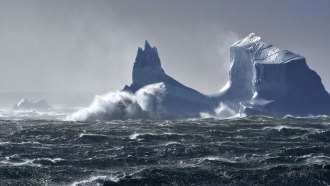
From icebergs to smoke, forecasting where dangers will drift
Smoke drifts. Fish eggs float downstream. Where such drifting things end up may seem a mystery. But research can predict where they’ll end up.
- Earth
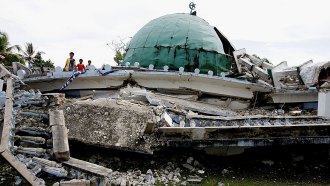
What can ‘silent earthquakes’ teach us about the next Big One?
Earthquakes usually last seconds. But sometimes, they can last days, or even years. Here’s what scientists are learning about these “slow-slip events.”
- Earth
Scientists Say: Magma and lava
The word magma refers to molten rock deep inside Earth. That rock is called lava when it reaches Earth’s surface.
- Earth
Greece’s Santorini volcano erupts more when the sea level drops
Data showing this association go back at least 360,000 years.
- Climate
‘Tree farts’ make up about a fifth of greenhouse gases from ghost forests
Heat-trapping gases from dead trees play an important role in the environmental impact of “ghost” forests.
- Ecosystems
What you can do to improve soils
Soils are the life-sustaining structures under our feet. Here are some tips for keeping soils healthy. First rule of thumb: Give more than you take.
- Agriculture
Dew collector brings water to thirsty plants
This invention grabs water from the air at night. All it needs is the sun’s warmth the next day to release that moisture to growing plants.
- Climate
Surprising long-haul dust and tar are melting high glaciers
Dust and tar blown onto high mountains, like the Himalayas, boost the melting of snow and ice far more than scientists had realized. Here’s why.
- Earth
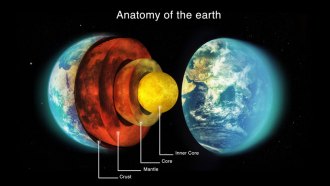
Explainer: Earth — layer by layer
Explore the sizzling heat, unimaginable pressures — and some surprise diamonds — that sit beneath our feet. This is the side of Earth that you can’t see.