MS-ESS2-1
Develop a model to describe the cycling of Earth's materials and the flow of energy that drives this process.
- Climate
Explainer: Why sea levels aren’t rising at the same rate globally
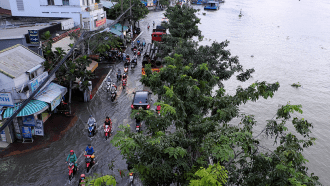
The ocean is rising all over the world. The rise seems speedier in some places. What gives? Many factors, it turns out, affect where — and why — the tide gets high.
- Climate
Explainer: Where fossil fuels come from
Despite one oil company famously using an Apatosaurus as its logo, oil, gas and coal don’t come from dinosaurs. They do, however, come from a long time ago.
- Earth
How long will Kilauea’s new eruption last?
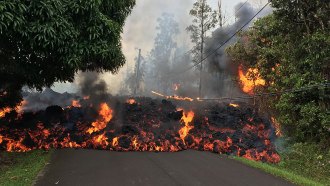
A government volcano expert answers burning questions about the ongoing Kilauea eruption.
- Climate
Predicting a wildfire with data from space
When the West gets dry it can catch fire. A teen decided to find out if satellite data might show where a fire’s fuel might reside.
- Climate
Cool Jobs: Wet and wild weather
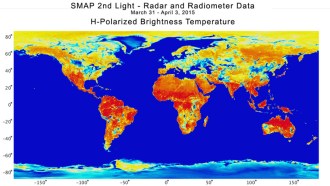
How’s the weather? Forecasts rely on scientists and engineers who collect and interpret data gathered on the ground, in the sky and way up in space.
- Earth
Dust creates deserts in the sky
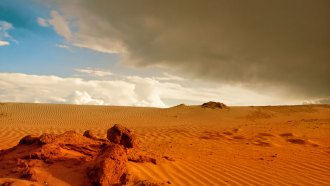
Vast rivers of dust flow through the sky. This invisible force shapes our world in profound ways. And scientists are finally homing in on a major source.
- Earth
Cool Jobs: Getting to know volcanoes
It’s too hot to explore the insides of a volcano. These scientists examine their lava, their low-frequency rumblings and their ‘vog’.
- Earth
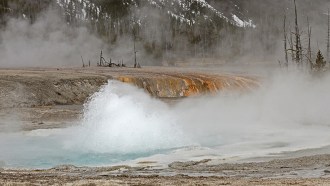
Carbon dioxide could explain how geysers spout
A new study overturns 150 years of thinking about Yellowstone’s geysers. Carbon dioxide, not just hot water, may be driving those spectacular eruptions.
- Climate
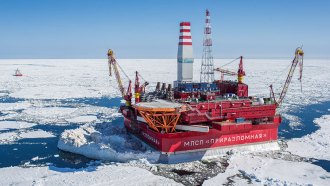
Arctic ice travels fast, carrying pollution
Climate change is melting old sea ice in the Arctic. Now, younger, thinner ice is migrating far and fast, taking pollutants with it.
- Earth
Explainer: What is a tsunami?
Earthquakes and landslides can create huge waves that travel across oceans.
- Earth
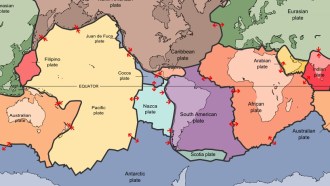
Explainer: Understanding plate tectonics
Plate tectonics is the process whereby Earth continually rebuilds itself — and causes destructive events like earthquakes and volcanic eruptions.
- Earth
Ancient ocean linked to supercontinent’s breakup
The supercontinent Pangaea started breaking apart 200 million years ago. This may have been triggered by the shrinking of the Tethys Ocean, a new study finds.