Climate
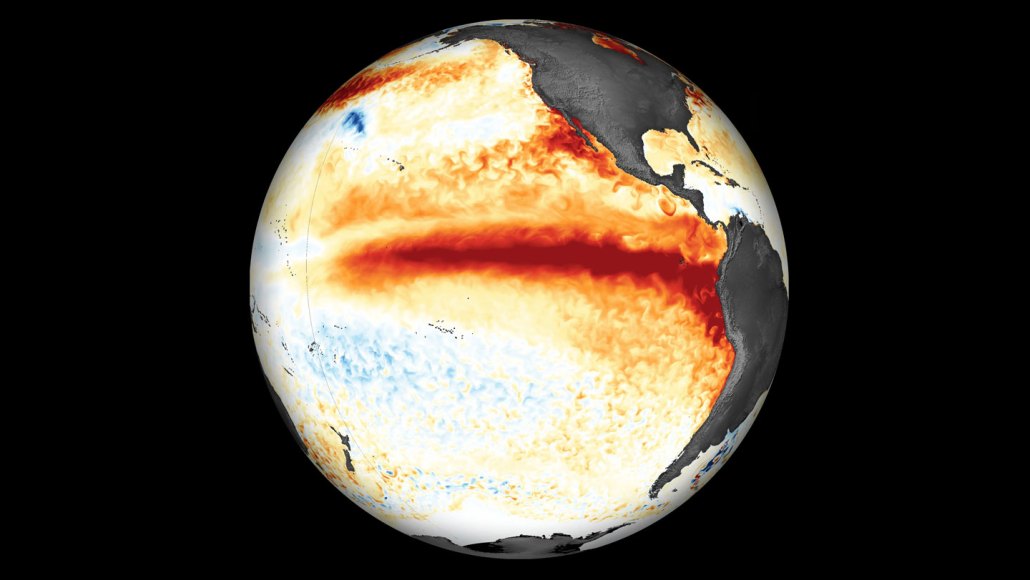
2026’s El Niño is record-breaking — and it’s not done yet
Within the ocean region where El Niños form, daily sea-surface temperatures are already more extreme than at any point in recorded history.
By Nikk Ogasa
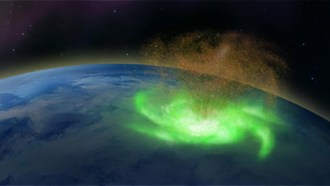
A separation — and later recombining — of Earth’s magnetic field lines may be what churns up these super-high-altitude storms of plasma.
Because Earth spins, airborne objects traveling far and fast — such as airplanes — experience deflections in their motion.
This dangerous trend appears relatively new — and growing. Studies also have begun linking it to our warming world.
Solar rays in this high-altitude desert at times rival the light intensity on Venus.
Keeping buildings cool can use a lot of energy. Thanks to quantum computing, engineers designed a coating to cut the warming light that enters windows.
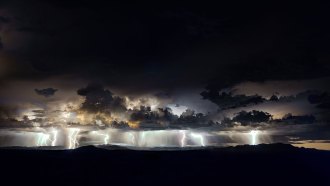
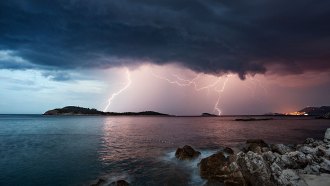
Bits of airborne salt may help raindrops form, removing water from clouds before it can freeze as part of the process that makes lightning.
This is bad news as a warming planet leads to growing numbers of excessive heat waves — and millions more people facing potentially deadly temperatures.
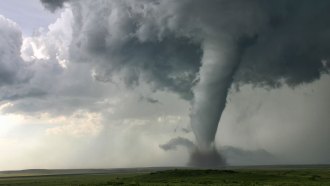
Tornadoes are often spawned by thunderstorms — but can also emerge from hurricanes and wildfires.