MS-LS1-3
Use argument supported by evidence for how the body is a system of interacting subsystems composed of groups of cells.
- Animals
Frog’s gift of grab comes from saliva and squishy tissue
What puts the grip in a frog’s high-speed strike? Quick-change saliva and a super-soft tongue, scientists find.
- Animals
Cool Jobs: Abuzz for bees
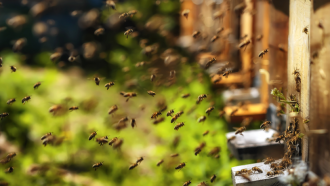
These scientists are keeping bees healthy, making medicines for people from honey and constructing bee-inspired robots.
- Computing
Wired and weird: Meet the cyborg plants
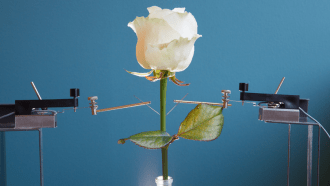
By mixing electronics with greenery, engineers have made plants that conduct electricity, detect bombs and send email.
- Animals
Scientists Say: Hibernation
Hibernation is more than a deep sleep. Animals that hibernate lower their body temperature and reduce their body activities for months.
- Animals
How birds know what not to tweet
How do birds perfect their pitches? The chemical dopamine spikes when they sing right, and dips when they drop a note, new data show.
- Brain
Explainer: What is dopamine?
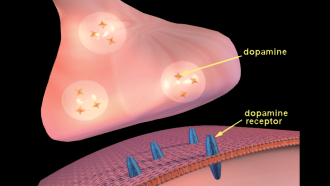
Dopamine is a chemical messenger that carries signals between brain cells. It also gets blamed for addiction. And a shortage of it gets blamed for symptoms of diseases such as Parkinson’s.
- Brain
Explainer: What is neurotransmission?
When brain cells need to pass messages to one another, they use chemicals called neurotransmitters. This sharing of chemical secrets is known as neurotransmission.
- Health & Medicine
Scientists Say: Bruxism
Some people clench their jaw when their stressed. People who do it a lot may have bruxism.
- Health & Medicine
Outdoor time is good for your eyes
Being outdoors exposes children to bright light that can be good for their eyes. Spending just one extra daylight hour outdoors each week can substantially lower their chance of becoming nearsighted, a study finds.
-
How not to grin and bear it
Three teen researchers who took part in this year’s Broadcom MASTERS competition seek to help those who clench and grind their teeth.
- Health & Medicine
Simpler way to screen for hidden hearing loss?
Many teens today walk around with undiagnosed hearing damage. But some Boston-based researchers have come up with a low-tech approach to screening these individuals so they can get help.
- Health & Medicine
Could toothpaste give heart disease the brush-off?
Brushing with a toothpaste that dyes plaque green encourages people to remove more of it. This also lowered inflammation, which may cut someone’s risk of heart disease.