Humans
Experiment: Discover the science behind afterimages
By observing afterimages, you can learn how different cone cells in the retina respond to various colors.
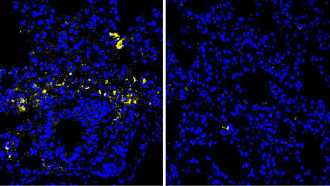
As a food supplement, arginine might one day help cut tumor formation and the proliferation of viruses in the body, mouse data suggest.
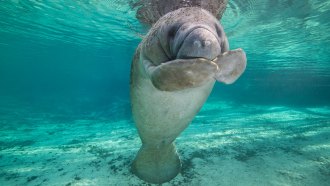
Humans, platypuses, whales and kangaroos show the diversity of this vertebrate group.
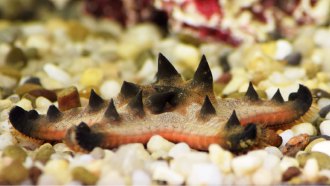
The tiny cone-shaped structures in arms of chocolate-chip sea stars also triple their skeleton’s strength.
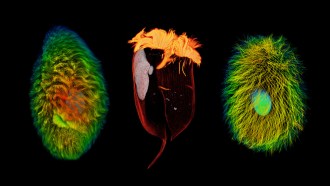
Production of this potent greenhouse gas is triggered by a newfound feature of these microbes — one with a funny name: hydrogenobody.
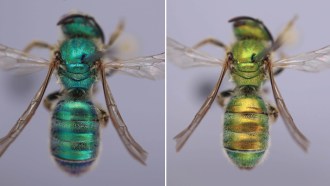
Humidity makes North American sweat bees change color. This trait could be widespread among shiny insects, some biologists now suspect.
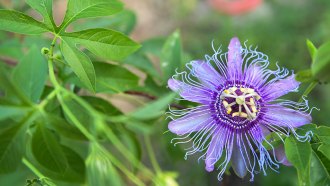
Flavonoids from passionflower plants may one day give chewing gums the ability to take the edge off frazzled nerves or anxiety, report two Regeneron ISEF finalists.
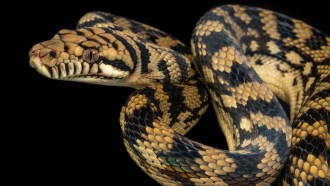
Tree snakes can raise their body into the air without falling over. They keep their balance by bending their bodies close to their base.
Focusing on muscle recovery during games could help keep pitch speeds high and injury risk low, one ISEF finalist finds.
It snaps into regular undies to measure releases of hydrogen gas. Rates vary widely, but 32 farts a day seems about average, early data suggest.