MS-LS1-5
Construct a scientific explanation based on evidence for how environmental and genetic factors influence the growth of organisms.
- Agriculture
World’s tallest corn towers nearly 14 meters
Short nights and a genetic tweak helped novel corn reach record heights.
- Health & Medicine
Outdoor time is good for your eyes
Being outdoors exposes children to bright light that can be good for their eyes. Spending just one extra daylight hour outdoors each week can substantially lower their chance of becoming nearsighted, a study finds.
- Animals
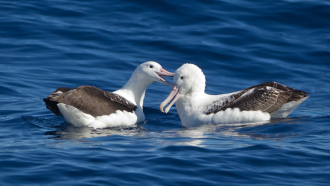
Food-like smell on plastic may lure seabirds to eat it
When plastic smells like supper, seabirds and other animals can be fooled into thinking it is food.
- Animals
Speckled dino spurs debate about ancient animals’ colors
Structures found in fossil dinosaur skin may give clues to the creatures’ colors and how they lived. But not all scientists agree on how to interpret what they see.
- Environment
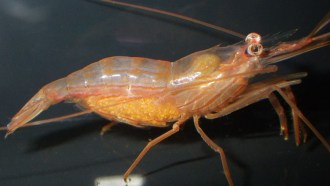
Ocean of the future may make shrimp small and colorful
Carbon dioxide released into the air can end up in the ocean, making it more acidic. A teen showed that this acidification could shrink shrimp and make them more colorful.
- Animals
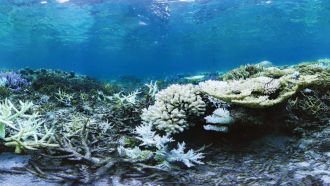
Creative ways to help coral reefs recover
Coral reefs are under siege from threats ranging from climate change to explosives. But scientists are developing ways to rebuild reefs before they disappear.
- Earth
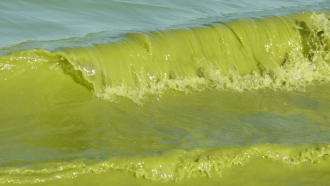
Water sensor quickly detects algal poison
A new sensor can detect poisons from harmful algae within minutes so that drinking-water plants can start timely treatments.
- Life
Scientists watch germs evolve into superbugs
To study how bacteria can evolve resistance to a wide variety of drugs, scientists spread the germs on a food-filled plate the size of a foosball table. Then, they watched resistance rise.
- Agriculture
Bananas under attack: Understanding their foes
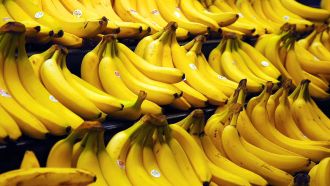
Fungal blights threaten the world’s most popular fruit. But genetic studies hint at new ways to combat some of these diseases.
- Health & Medicine
Nobel awarded for unveiling how cells recycle their trash
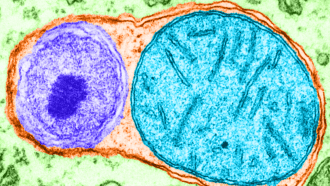
Cell biologist Yoshinori Ohsumi has won the 2016 Nobel Prize for physiology or medicine for discovering how cells take care of housekeeping.
- Health & Medicine
Measles in the Americas: Going, going — gone!
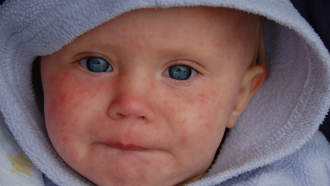
The Americas have at last shed a major childhood scourge: measles. The viral infection used to kill hundreds of children each year. Now the hemisphere only sees cases spread by travelers.
- Health & Medicine
Zebra finches can ‘drink’ water from their own fat
When water is scarce, thirsty zebra finches can produce their own water. They do it by breaking down their body fat.