MS-LS1-5
Construct a scientific explanation based on evidence for how environmental and genetic factors influence the growth of organisms.
- Chemistry
Did your burger come with a side of non-degrading pollutants?
Perfluorinated compounds pollute the environment and might harm human health. A new study shows that one place they often show up is the paper and cardboard used to package fast foods.
- Earth
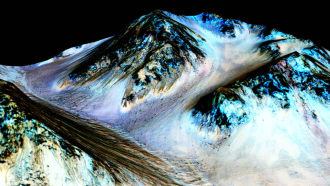
Keeping space missions from infecting Earth and other worlds
Scientists are always looking for ways to stop Earthly microbes from polluting other planets. The same goes for bringing bits of other planets back to Earth.
- Agriculture
Teen converts water pollutant into a plant fertilizer
Too much phosphate can fuel algal growth, which can rob oxygen from the water. This can suffocate fish and other wildlife. Stefan Wan found a way to collect that pollutant, which can later be used as a farm nutrient.
- Health & Medicine
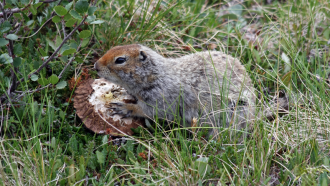
Hibernation: Secrets of the big sleep
Mammals from bears to squirrels hibernate the winter away. Learning how they do it might one day help people mimic aspects of it to heal from brain injuries or voyage to Mars.
- Animals
Explainer: How brief can hibernation be?
Many animals frequently slow body functions and drop their temperatures — sometimes for just a day. Is that hibernation, or just torpor? Are the two even related? Scientists disagree.
- Agriculture
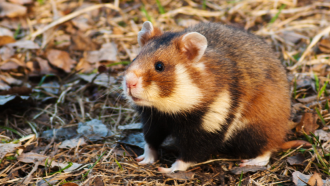
Wild hamsters raised on corn eat their young alive
European hamsters raised in the lab turn into crazy cannibals when fed a diet rich in corn, new data show. The problem may trace to a shortage of a key vitamin.
- Animals
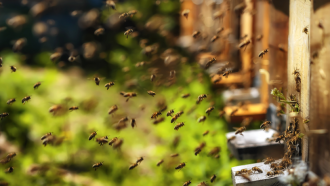
Cool Jobs: Abuzz for bees
These scientists are keeping bees healthy, making medicines for people from honey and constructing bee-inspired robots.
- Computing
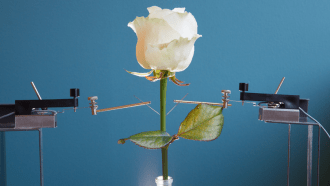
Wired and weird: Meet the cyborg plants
By mixing electronics with greenery, engineers have made plants that conduct electricity, detect bombs and send email.
- Animals
Under blanket of ice, lakes teem with life
Life under frozen lakes is vibrant, complex and surprisingly active, new research finds. In fact, some plants and animals can only live under the ice. But with climate change, will that continue?
- Health & Medicine
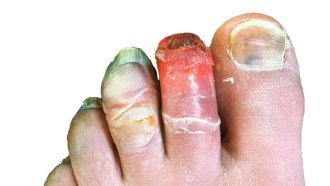
Scientists Say: Frostbite
As we get cold, the blood vessels near our skin constrict to keep body heat in. But in the process, they leave some tissues in danger of frostbite.
- Health & Medicine
Scientists Say: Hypothermia
Our bodies need to stay warm to function correctly. If our temperature drops too much, we can suffer from hypothermia.
- Climate
Seven tips for staying safe in frigid weather
Maps? Check. Water? Check. Insulating clothes? Check. Here’s the checklist to consult before planning to trek out in the frigid cold.