MS-LS1-5
Construct a scientific explanation based on evidence for how environmental and genetic factors influence the growth of organisms.
- Brain
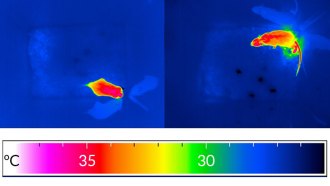
Mice brains hint at how bodies keep their cool
Nerve cells in mice can keep the body cool and may prevent high fevers. The discovery could have implications for obesity and other health issues.
- Genetics
Young sunflowers keep time
The plants don’t just use light to follow the sun. An internal clock helps their stems bend as the sun moves across the sky.
- Animals
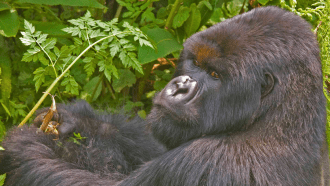
Cool Jobs: Linking animal health to human health
Scientists who watch out for diseases in wild animals also can play a role in keeping people from getting sick.
- Health & Medicine
Grandparents’ diet could be a weighty issue for grandkids
Australian scientists have found that fat mice can pass on a heightened risk of obesity to their sons and grandsons.
-
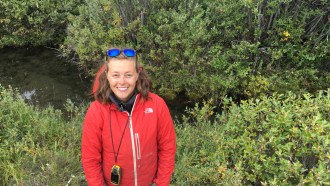
A Day in the Life: Arctic ecologist
Ever wonder what a scientist in the Arctic does all day? Mary Kate Swenarton scrubs rocks, catches fish and measures stream flow, depth, temperature and more.
- Ecosystems
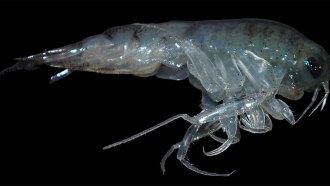
Algae embedded in sea ice drive the Arctic food web
Scientists traced where zooplankton in the Arctic get their energy from. Many open ocean species rely on algae found in sea ice, which is disappearing.
- Microbes
Staph infections? The nose knows how to fight them
Bacteria living in some people’s noses make a compound that could help fight a nasty type of infection that laughs at other antibiotics.
- Health & Medicine
Diabetes seems to be climbing quickly in U.S. teens
A serious disease is showing up more often in kids. Many are unaware they are sick. Many more show signs they are at risk of developing the disease, for which there is no cure.
- Health & Medicine
Even some Olympic athletes cheat with drugs
Some athletes have been using banned drugs or other methods to boost their performance. But scientists are working on new ways to catch them.
- Earth
Something in plastics may be weakening kids’ teeth
The body can confuse some pollutants for a natural hormone. Researchers in France now find such pollutant exposures in childhood may lead cells to make defective tooth enamel.
- Climate
Climate closing the gender gap for this mountain flower
Among valerian plants, males like it hotter than the females do. So a warming climate has been speeding their migration up once-cool mountainsides.
- Animals
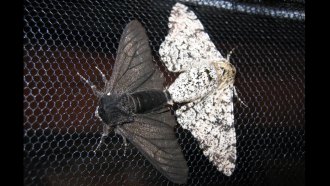
How a moth went to the dark side
Peppered moths and some butterflies are icons of evolution. Now scientists have found a gene responsible for making them so.