MS-LS1-8
Gather and synthesize information that sensory receptors respond to stimuli by sending messages to the brain for immediate behavior or storage as memories.
- Psychology
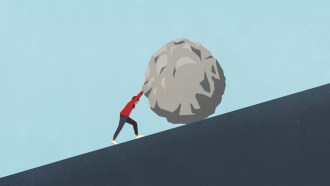
Sometimes the best way to reach a goal may be to quit an old one
We’re surrounded by messages to persevere through all challenges. But science shows that knowing when — and how — to quit is important, too.
- Psychology
Big goals can feel overwhelming. Here’s how to stay on track
Aiming for something big? Break that big goal into smaller, manageable steps. Then narrow your focus. This will keep your eyes on the prize.
- Humans
How to invent a language — like that of Avatar’s Na’vi
Linguists can choose to follow, mix or break the rules of real-world languages to create interesting fictional ones.
- Brain
Big moments can help you remember little things, too
Emotional events help solidify memories. Scientists think this could someday help students study better or aid recovery of trauma survivors.
- Humans
This linguist has invented over 20 languages
Margaret Ransdell-Green draws on her expertise in linguistics and music to create new, fictional languages — and sings in them, too.
- Psychology
Connections at school could limit bullying’s harm to mental health
Recently bullied teens with a strong sense of connectedness at school reported fewer signs of depression than those without it, a new study finds.
- Health & Medicine
Short exercise workouts can boost classroom performance
When students spend just nine minutes doing high-intensity interval exercises, their brains can work more efficiently, new data show.
- Health & Medicine
Seeing sick faces revs up our immune system, new data show
It activates parts of the brain that detect threats and boosts the activity of at least one type of immune cell.
- Animals
What dogs see on TV depends on their temperament
Breed, age or sex didn’t seem to matter in how dogs reacted to TV, but personality did. That’s according to a survey of more than 400 dog owners.
- Humans
Vacation could provide teens time to practice independence
A poll shows U.S. parents are reluctant to let teens go places alone on vacation. Giving teens more independence may help their mental health.
- Science & Society
Analyze This: Do bad childhoods make movie villains?
In DC and Marvel movies, a rough childhood doesn’t always mean that characters become villains.
- Health & Medicine
This medicine could help teens quit vaping
The drug varenicline, paired with counseling and text messaging support, helped young people stop vaping in a new study.