Animals
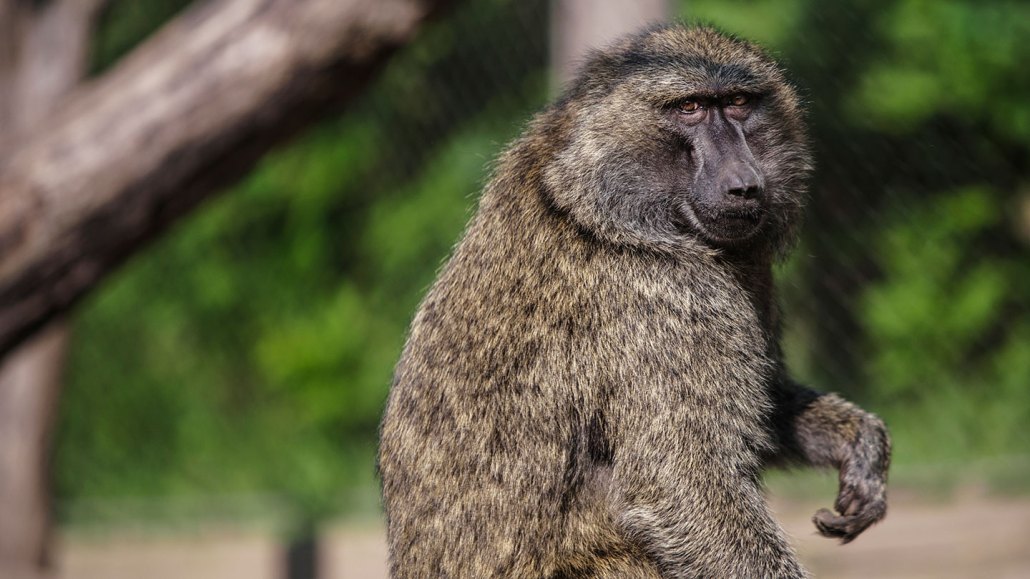
Monkeys might share our instincts for math
To show how monkeys think about math and shapes, scientists had them play games — including some designed by kids.
Short for attention deficit/hyperactivity disorder, ADHD affects how people think, learn and process information.
Adult finches make “heat calls” to their eggs when temps rise. Exposure to those songs trigger chicks' developing brains to change in ways that better handle heat.
Virtual "flying" coaching, based on bird flight, took only a week. Afterward, participants’ brains seemed to view VR wings almost like true limbs.
New brain scans are helping sort out how our brains process imagined thoughts versus real sensations.
This is a trait in which one kind of sensory input, such as sound, can trigger another sense, such as sight.
As expert echolocators make multiple clicking sounds, their brains process the echoes to help them perceive their surroundings.
With real-time feedback, people can learn to turn on a part of the brain that helps rev up the immune system, new data show.
From a new hairstyle or burst of mint to how you decorate your windows, these research-backed tips and tricks can help you beat the heat to stay cool all summer long.
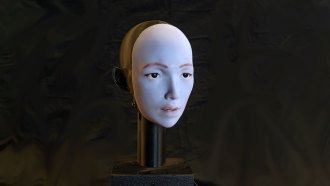
Robots that seem almost — but not quite — human can strike us as eerie. Improved lip motions might help overcome this “Uncanny Valley” effect.