MS-LS2-5
Evaluate competing design solutions for maintaining biodiversity and ecosystem services.
-
A dirty and growing problem: Too few toilets
As the famous book says, everybody poops. That’s 7.8 billion people, worldwide. For the 2.4 billion with no toilet, the process can be complicated.
- Ecosystems
Soggy coastal soils? Here’s why ecologists love them
Coastal wetlands can protect our shores from erosion, flooding and rising sea levels.
- Animals
Are coyotes moving into your neighborhood?
How do coyotes survive in New York City, Los Angeles and Chicago? Researchers and citizen scientists are working together to find answers.
- Animals
Pooping ducks can shed the live eggs of fish
Some carp eggs survived and even hatched after being pooped by a duck. This may help explain how invasive fish reach isolated waterways.
- Animals
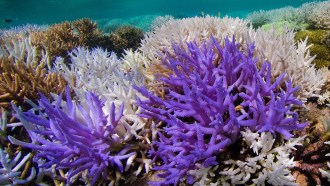
Going bright may help corals recover from bleaching
When some corals bleach, they turn neon colors. Flashy hues may be part of a response that helps these corals recover and reunite with their algae.
- Materials Science
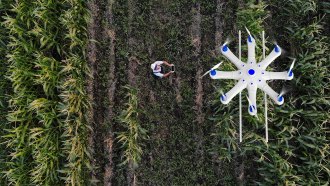
Silk-based microneedles may help treat diseased plants
Engineers have invented silk microneedles to inject medicines into plants. One day farmers might use drones to dart their sick plants with meds from the air.
- Environment
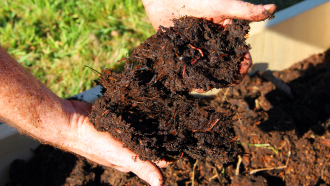
Greener than burial? Turning human bodies into worm food
Composting human bodies yielded good results — and good soil — in one small study. It could become an alternative to burial or cremation in one state.
- Animals
Conservation is going to the dogs
Scientists are now training dogs to help track rare, elusive — and sometimes invasive — plants and animals.
- Animals
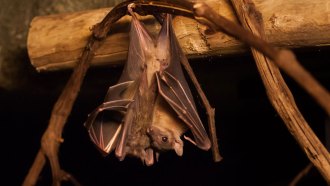
Immune arms-race in bats may make their viruses deadly to people
An overactive immune system may help bats avoid being sickened by many viruses. This may viruses becoming stronger — and deadlier — when they hit other species.
- Animals
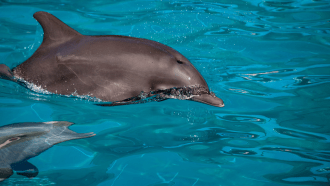
Drones might one day capture a dolphin’s breath in midair
High-speed footage of dolphin spray reveals that droplets blast upward at speeds close to 100 kilometers per hour.
- Chemistry
Help for a world drowning in microplastics
Microplastic pollution in our oceans and lakes is a problem. Scientists are testing solutions — from more biodegradable recipes to nanotechnology.
- Animals
Healthy coral reef sounds attract fish searching for a home
Playing the sounds of a healthy reef can help attract fish to dying corals, helping rebuild their community.