Life
Scientists Say: Theropod
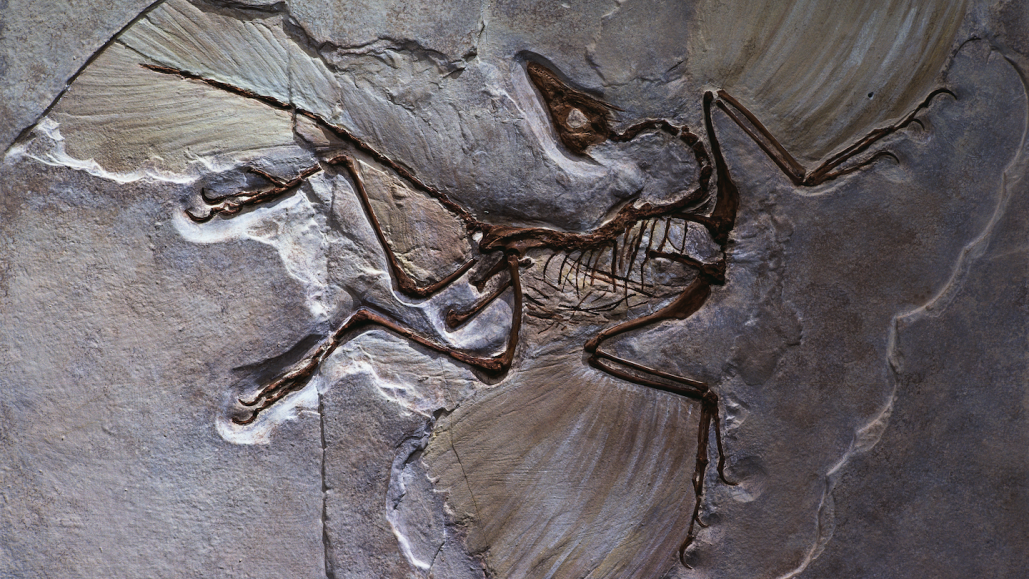
This group of dinosaurs once included Tyrannosaurus rex. Today, they include birds.
One ancient person’s, or animal’s, trash may become an archeologist’s treasure.
Cave dirt suggests one ancestral species was using fire around 1.8 million years ago. That pushes back the earliest known use by about 800,000 years.
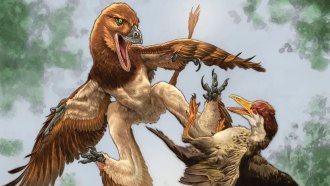
The new microraptor, Jian changmaensis, may have snacked on birds when not gliding through northwestern China some 120 million years ago.
Newfound fossils turned up a strange zoo of often-complex creatures, including some suggesting that evolution of left-right symmetry occurred earlier than once though.
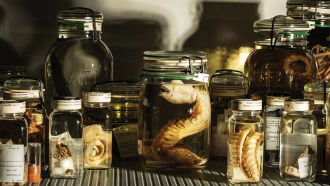
Millions of treasures stashed in this museum storage site — open only to select visitors — tell the history of Earth's inhabitants.
A study of ancient artifacts suggests Native American dice games began thousands of years earlier than previously documented.
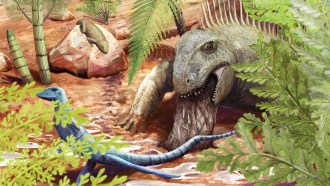
Bones in the barfed-up material, which dates to a time before the dinosaurs, offer a rare peek into the diet of a prehistoric hunter.
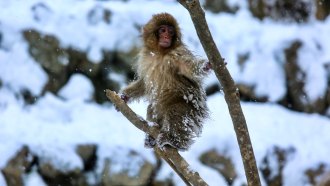
Scientists thought the ancestor of humans and apes lived in the tropics. A new study points to a chilly location instead for primate evolution.
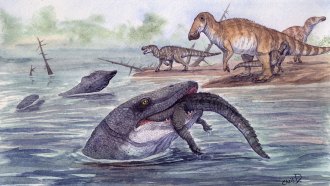
A 66-million-year-old fossil tooth turned up alongside remains of a T. rex and ancient crocodile. This shows some mosasaurs roamed into rivers.