Animals
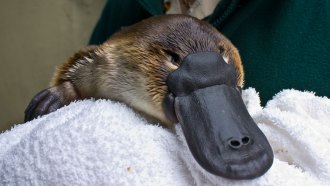
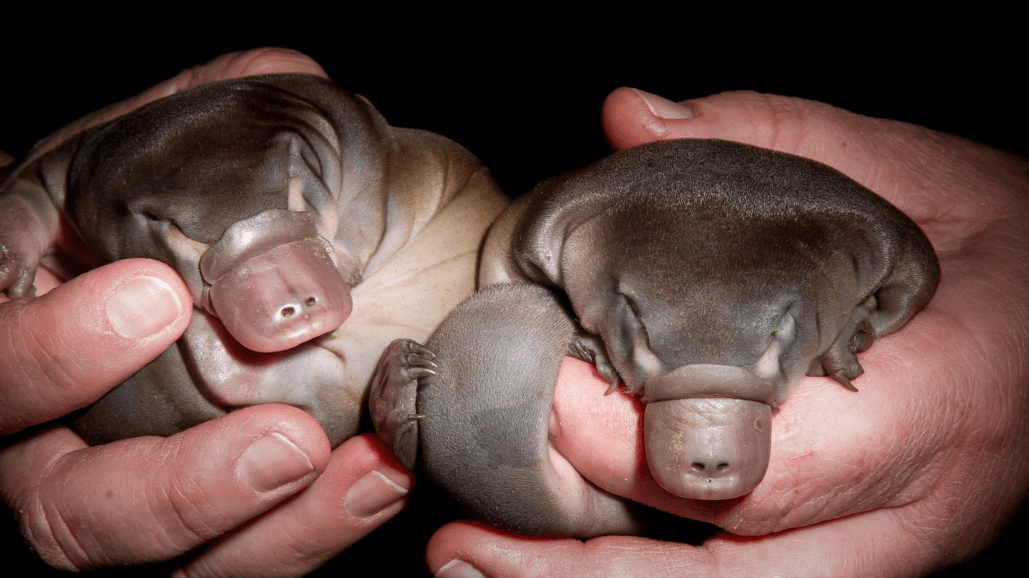
Let’s learn about the platypus
Every new discovery about platypuses reveals them to be even odder than we thought.
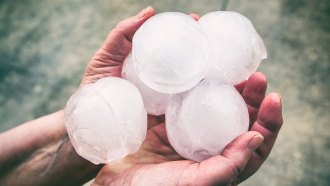
New data from hailstones suggest most of these icy chunks may not form the way scientists long thought.
Neither fleas nor toads, Brazilian flea toads are almost flea-sized. These mini frogs are small enough to fit on a pinkie fingernail.
The reptiles’ horns could help or hinder during foraging, depending on how they hunt. This might be why horns evolved in some species and not others.
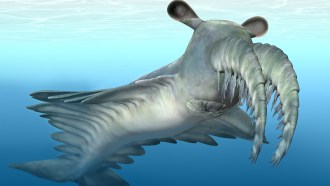
Scientists are rethinking how this extinct creature used the spiky limbs sticking out of its face to hunt.
The difference between a dog and a wolf isn’t looks or genes or even behavior. It’s the relationship these animals have with people.
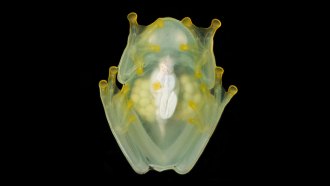
Glass frogs snoozing among leaves blend in by hiding almost all their red blood cells in their liver.
Alexis Mychajliw’s science is driven by her love of animals. She now looks to tar pits and fossilized poop to understand ancient ecosystems.
Neandertals are an extinct species closely related to modern humans. They made tools and jewelry, controlled fires and cared for their sick.