
All Stories by Maria Temming
- Climate
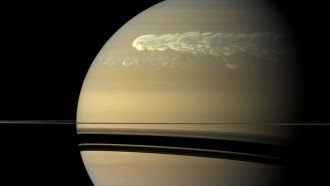
Astronomers spot new type of storm on Saturn
These storms are bigger and longer lasting than squalls but not nearly as massive as this planet's Great White Spots.
- Materials Science
This device uses the cold night sky to generate electricity
A new device uses the temperature difference between Earth and outer space to create electricity after dark. Powering a lamp, it would be the ultimate night light.
- Chemistry
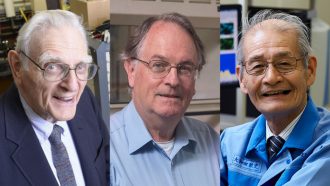
2019 Nobel Prize in chemistry goes for pioneering lithium-ion batteries
Today’s lithium-ion batteries power everything from smartphones to computers. Three scientists who pioneered those batteries just got the 2019 Nobel Prize in chemistry.
- Climate
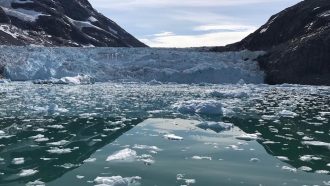
Report sums up climate’s already dramatic impact on oceans and ice
Melting glaciers, stronger storms and acidifying oceans are signs of climate change today, a new IPCC report says. Putting a brake on greenhouse emissions could limit how dire things get.
- Planets
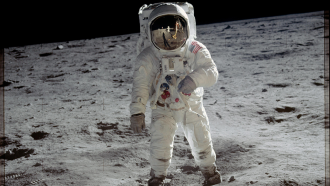
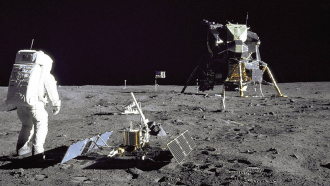
Learning from what Apollo astronauts left on the moon
In the 1960s and ’70s, Apollo astronauts left trash, mementos and science experiments on the moon. Researchers want to study and preserve the relics.
- Physics
Preserving remnants of human culture on the moon
Artifacts left behind by lunar landings have value to research and human history. Scientists now want to preserve those cast-offs while also learning from them.
- Computing
Computer chips from carbon nanotubes, not silicon, mark a milestone
Silicon has been king of cutting-edge electronics. But that reign may soon end, with carbon nanotubes taking silicon’s place.
- Tech
AI can learn real-world skills by playing video games
Video games are helping AI systems work together and adapt to real-world situations.
- Chemistry
Tiny new magnets are not only squishy but also liquid
Researchers have just created liquid droplets that behave like tiny bar magnets. The movement of these external magnets might help control robots and more.
- Brain
This brain region may make lifelike robots creep you out
Robots that look too much like real people can be unsettling. Scientists identified a brain region that may be behind these uneasy feelings.
- Earth
Sunlight can produce energy and clean water at the same time
A new device can make electricity from the sun. What makes it truly special, however: It uses waste heat from the system to turn dirty water or salty water into drinking water.
- Agriculture
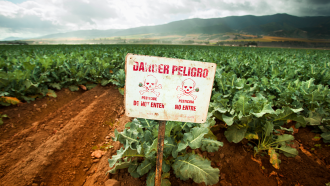
U.S. farmers still use many pesticides that are banned elsewhere
More than one in four of the pesticide used on U.S. farms in 2016 had been banned in other countries.