Animals
- Animals
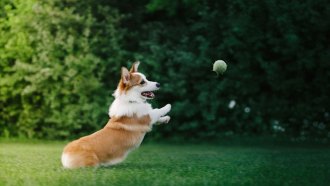
Let’s learn about dogs
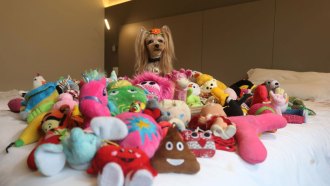
From learning the names of their toys to sniffing out viruses in human sweat, dogs are far more than household pets.
- Animals
Scientists Say: Dinosaur
Dinosaurs emerged between 243 and 233 million years ago. While some died out 66 million years ago, others are still with us — birds.
- Animals
Science and Indigenous history team up to help spirit bears
When scientists and Indigenous people work together, their efforts can benefit bears and people.
- Animals
Explainer: Black bear or brown bear?
If you see a bear, check size, shape and more to find out what type it is.
- Animals
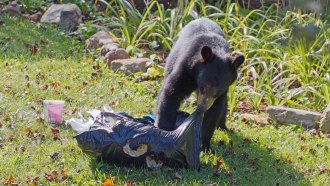
Changing people’s behavior can make bear life better
Black bears don’t always live life on the wild side. More and more, they live near people. Here’s how people and bears can get along.
- Animals
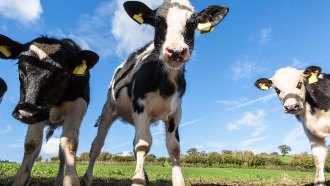
Analyze This: Cows burp less methane after early-life treatment
Calves that receive the 14-week treatment belch less of the greenhouse gas, possibly due to shifts in their gut microbes.
- Animals
Urban gardens create a buffet for bees
City gardens provide a huge amount of nectar and pollen for pollinators, making them an essential conservation tool.
- Animals
Fin whales could help scientists map what lies below the seafloor
Fin-whale calls are loud enough to penetrate into Earth’s crust, offering scientists a new way to study the properties of the ocean floor.
- Animals
Butterflies use jet propulsion for quick getaways
If you have ever tried to catch a resting butterfly, you know they are surprisingly difficult to nab. A new study helps explain why.
- Animals
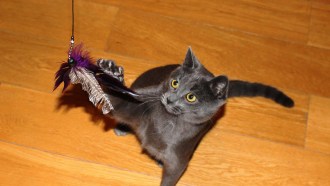
More playtime and meatier meals might reduce kitty kills
Keeping cats indoors is the best way to prevent them from killing wildlife. But small changes to diet and play can help, too.
- Animals
Scientists Say: Egg and sperm
An egg or a sperm cell contains half of the normal genes an organism needs. They fuse together to form a new individual.
- Animals
Analyze This: Some dogs quickly learn new words
Two dogs picked up new words after hearing them a few times during play, but 20 other pets didn’t fare so well at learning the names of new toys.