Earth
- Climate
Analyze This: 2020 ties with 2016 for hottest year on record
Last year capped the warmest decade on record. It coincided with a growing increase of warming greenhouse gases in Earth’s atmosphere.
- Earth
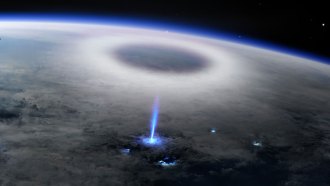
Space station sensors saw how weird ‘blue jet’ lightning forms
A mysterious type of lightning in the upper atmosphere has been traced to a brief, bright flash of light at the top of a storm cloud.
- Environment
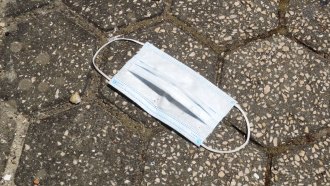
Unmasking the pandemic’s pollution problem
Discarding all the materials people use to protect themselves from COVID-19 has created a growing environmental problem.
- Chemistry
A new catalyst turns greenhouse gas into jet fuel
The catalyst is an improvement over its predecessors. Made of cheap materials like iron, it produces jet fuel in a single step.
- Agriculture
Honeybees fend off deadly hornets by decorating hives with poop
Bees usually collect pollen and nectar. Scientists were surprised to find that Asian honeybees also gather animal dung to defend their hives.
- Agriculture
Dew collector brings water to thirsty plants
This invention grabs water from the air at night. All it needs is the sun’s warmth the next day to release that moisture to growing plants.
- Animals
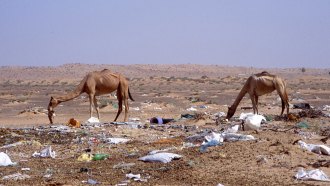
Camels have been dying after mistaking plastic for food
Plastic waste has been building up in the guts of some camels. It may now be killing off one percent of them in the United Arab Emirates each year.
- Earth
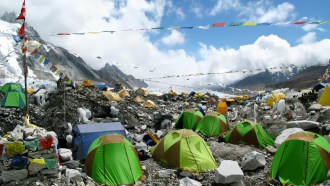
Analyze this: Microplastics are showing up in Mount Everest’s snow
Microplastics have made their way to the snow on Earth’s tallest peak. Most of the plastic likely comes from climbers’ equipment and clothes.
- Animals
Utah mink is first known case of the coronavirus in a wild animal
A wild mink appears to have picked up the novel coronavirus from farmed animals. Such spread in the wild does not appear common.
- Animals
Let’s learn about sharks
This ancient group of fish can use scent and even electricity to detect their prey. And they fill an important niche in the ocean.
- Environment
Why today’s ‘fast fashions’ can be bad for the planet
The constant buy-wear-toss cycle of fast fashion isn’t sustainable. It hurts the environment and takes a toll on our wallets, too.
- Environment
Old clothes soon may be recycled, not trashed
One day, clothes may be recycled almost as much as plastics and glass are now. See how chemists are moving us in that direction.