Earth
- Earth
Light levitation might help explore Earth’s ‘ignorosphere’
A toy called a light mill inspired researchers to invent a new way to fly. They’re using light to levitate small nanotube-coated discs.
- Earth
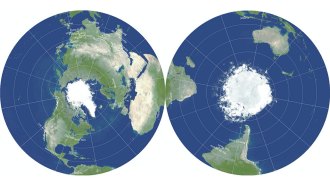
Earth as you’ve never seen it before
Earth is a sphere. Flat maps distort features on that sphere, usually by a lot. Now three scientists think they may have the best solution yet for flattening the planet.
- Climate
Surfing the winds would make future jet travel greener
Simple route changes could drastically cut fuel use and greenhouse-gas emissions, a new study finds.
- Climate
The world wastes roughly a sixth of the food produced each year
A new United Nations report shows where wastes can be reduced, which would decrease hunger and emissions of climate-warming greenhouse gases.
- Environment
Urban pollution can pose unseen risks to kids’ immunity and more
A trio of new studies links immune changes and high blood pressure to inhaling bad air.
- Animals
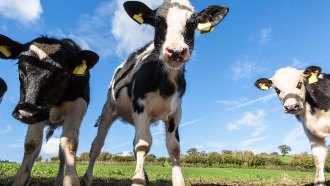
Analyze This: Cows burp less methane after early-life treatment
Calves that receive the 14-week treatment belch less of the greenhouse gas, possibly due to shifts in their gut microbes.
- Animals
Urban gardens create a buffet for bees
City gardens provide a huge amount of nectar and pollen for pollinators, making them an essential conservation tool.
- Climate
Changing climate now threatens northern lakes year round
Lakes in northern climes are getting warmer, and that’s not good for people, plants or animals.
- Computing
5G promises new energy savings for digital tech
A new way to transmit wireless communications promises time and energy savings by using networks of smaller cells.
- Computing
Greening your digital life
The less electricity you use while playing video games or using your devices, the less impact you’ll have on climate change.
- Climate
COVID-19 cut pollution in 2020, warming the atmosphere
Pandemic-related lockdowns briefly warmed the planet. The reason: The cleaner air carried fewer planet-cooling aerosols.
- Tech
Training AI to be really smart poses risks to climate
As artificial intelligence models grow larger and consume more energy, experts have begun to worry about their impact on Earth’s climate.