Earth
- Climate
Study appears to rule out volcanic burps as causing dino die-offs
New data on when massive volcanic eruptions happened do not match when the dinosaur mass extinction took place.
- Earth
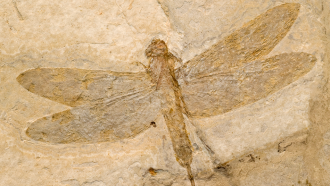
Scientists Say: Fossil
Under the right conditions, living things or traces they’ve left behind can be preserved in rock for a long time — millions or billions of years.
- Climate
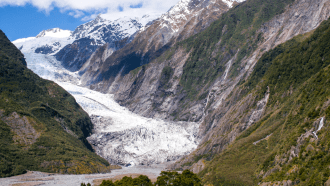
Scientists Say: Glacier
Glaciers are massive ‘rivers of ice’ that move slowly over land. But climate change is shrinking them.
- Climate
This scientist wants to motivate you to fight climate change
Getting lost in science fiction helps Shahzeen Attari reimagine what our future could look like.
- Chemistry
Help for a world drowning in microplastics
Microplastic pollution in our oceans and lakes is a problem. Scientists are testing solutions — from more biodegradable recipes to nanotechnology.
- Animals
Healthy coral reef sounds attract fish searching for a home
Playing the sounds of a healthy reef can help attract fish to dying corals, helping rebuild their community.
- Earth
Newfound desert soil community lives on sips of fog
Lichens and other fungi and algae team up to form a 'grit-crust' on the parched soil of Chile’s Atacama Desert. Those species slake their thirst with moisture from coastal fog.
- Earth
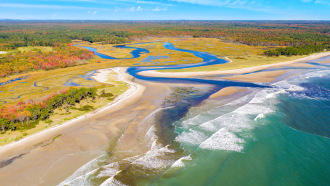
Scientists Say: Estuary
This is where a freshwater river meets a salty sea. This environment has brackish water, a mix of saltwater and freshwater.
- Animals
Australian fires have imperiled up to 100 species
As massive wildfires consume huge swaths of Australia’s bush, untold species — many of them found nowhere else — are now threatened with extinction.
- Animals
Why some whales become giants and others are only big
Being big helps whales access more food. But just how big a whale can get is influenced by whether it hunts or filter-feeds.
- Climate
5 things to know about the climate-saving benefits of tree planting
A recent analysis of the benefits of massive efforts to plant more trees triggered a firestorm of controversy.
- Earth
Scientists Say: Firewhirl and Firenado
Firewhirls are smallish vortices of ash and flame; firenadoes are true twisters set off by the conditions that come with a wildfire.