Earth
- Environment
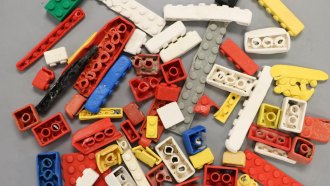
Legos could last a disturbingly long time in the ocean
By looking at toys washed up on beaches, scientists have estimated how long it takes hard plastics to break down in the oceans. And it’s a long time.
- Earth
Let’s learn about geysers and hydrothermal vents
These are places where superhot water streams out of the earth. Plate tectonics explains how they form.
- Earth
Laundry tweaks can help clothes last longer and pollute less
Clothes washed in cooler water and for less time shed less dye and fewer fibers, a new study finds. That’s better for clothes — and the environment.
- Environment
Greener than burial? Turning human bodies into worm food
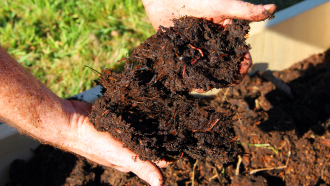
Composting human bodies yielded good results — and good soil — in one small study. It could become an alternative to burial or cremation in one state.
- Animals
Conservation is going to the dogs
Scientists are now training dogs to help track rare, elusive — and sometimes invasive — plants and animals.
- Earth
Desert trails and microbial life excite this soil scientist
To help her desert community, Lydia Jennings focuses her research on how mining affects soil microbes.
- Climate
Scientists Say: Meteorology
This word describes the study of processes in the Earth’s atmosphere, including the weather.
- Chemistry
Converting trash to valuable graphene in a flash
Flash heating of carbon-rich wastes creates graphene, which has many commercial uses.
- Environment
Decades-long project is linking our health to the environment
Started in 1959, this California study is one of the oldest ongoing research projects in the world.
- Earth
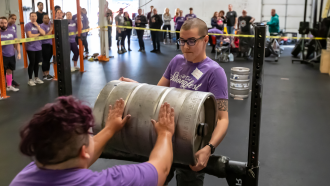
Weight lifting is this planetary scientist’s pastime
Beck Strauss uses magnetic fields to explore the makeup of Earth and other planets.
- Earth
Newfound ‘dunes’ is among weirdest of northern lights
There’s a new aurora dubbed the 'dunes.' It’s weird and joins the ranks of black auroras, STEVE and other odd natural light shows.
- Earth
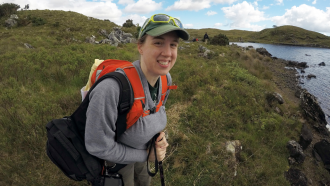
An accident didn’t stop this geologist from doing field work
Anita Marshall works to make it easier for other people with physical disabilities to pursue a research career.