Earth
- Agriculture
Weed killers may go from plant to pooch
Dogs love to roll around in the grass. But if there is weed killer around, it could end up on — and in — our furry pals.
- Agriculture
‘Wildlife-free’ farms don’t make salads safer
Scientists find that removing wildlife from farms did not make raw vegetables safer to eat.
- Earth
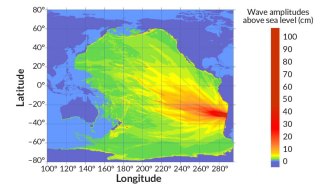
Quake provides test for tsunami prediction
The 8.3-magnitude Chilean earthquake offered an unexpected chance to test a new way of predicting tsunami damage.
- Earth
Explainer: What is a tsunami?
Earthquakes and landslides can create huge waves that travel across oceans.
- Agriculture
Made in the shade
Agroforestry combines woody plants and agriculture. Growing trees alongside crops and livestock benefits wildlife, environment, climate — and farmers.
- Agriculture
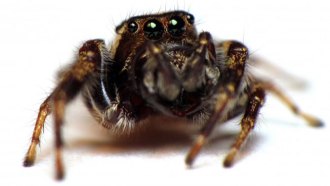
Insecticide can change a spider’s personality
A chemical meant to kill moths affects the behavior of some spiders. It alters the spiders’ ability to capture prey — including those moths.
- Animals
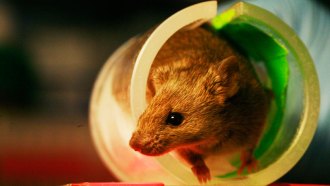
Some pollutants made mice less friendly
Hormone-interfering chemicals make mice less social and may also alter their weight, a study finds. That affected the animals’ confidence — and behavior.
- Agriculture
Plant ‘vampires’ lay in wait
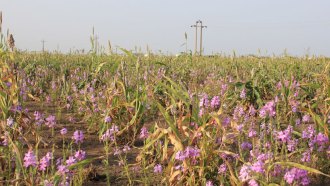
A new study shows how some parasitic plants evolved the ability to sense a potential host — and then send out root-like structures to feed on them.
- Chemistry
Nanosilver: Naughty or nice?
Nanosilver is in many products, from socks to toothbrushes. The tiny particles kill microbes. But it’s still unclear whether they can harm us or the environment.
- Climate
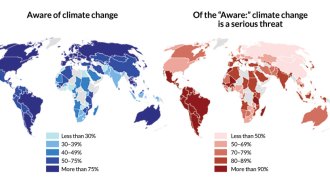
Beliefs about global warming vary by country
Opinions about climate change — whether it exists, what’s causing it and how dangerous it is — vary greatly around the world.
- Earth
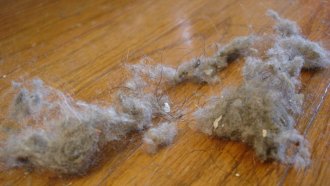
Can house dust make us fat?
Materials found in dust, including common fats, may trigger human fat cells to grow. This might promote weight gain, some scientists worry.
- Agriculture
Organic food starts to prove its worth
Organic food often comes with a higher price. But research is showing that food grown this way can be better for the environment — and possibly for us.