Earth
- Earth
Gulf oil spill: Still poisoning dolphins to crickets
Once the 2010 Deepwater Horizon spill ended, oil continued to harm animals in the Gulf of Mexico. Five years later, it still may not be over, biologists worry.
- Earth
Scientists Say: Eutrophication
When a body of water is filled with nutrients, algae and plants may take advantage. And their presence isn’t always a good thing.
- Earth
Glaciers on ice — for now
A rise in emissions of carbon dioxide, a greenhouse gas, isn’t just warming Earth. It also could be delaying the onset of the next global cool-down.
- Earth
Too hot? Some peaks offer climate migrants lots of land
As mountain climates warm, species may actually gain ground as they migrate up to cooler sites, a new study finds.
- Earth
Asteroids boiled young Earth’s oceans
At least two asteroids hit Earth 3.3 billion years ago. This superheated the atmosphere, boiled the oceans and shaped how early life evolved.
- Animals
This is no cold fish!
The opah is the fish closest to the whole-body warm-bloodedness typical of mammals and birds. This trait may give the species an edge in the ocean’s cold depths.
- Earth
Keeping roofs cooler to cut energy costs
Cool it! A cheap paint-on coating for roofing shingles could help reduce a home’s heating bills and might even trim urban ozone levels, a teen shows.
- Animals
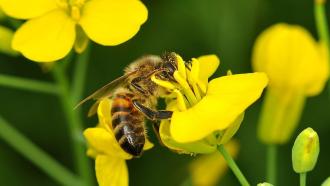
Pesticides offer bees a risky allure
Honeybees and bumblebees sometimes cannot taste or avoid pesticides called neonicotinoids. And that may expose some of these important pollinators to harm.
- Climate
Carbon dioxide levels rise fast and high
The buildup of carbon dioxide in the atmosphere is rising faster than at any time since dinosaurs roamed the Earth. The burning of fossil fuels is largely to blame.
- Climate
Scientists ‘see’ thunder for first time
Scientists have captured the first image of thunder. The map shows the relative strengths of the sound waves emanating from the loud clap.
- Earth
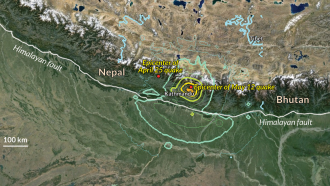
Major new quake rattles Nepal
A new earthquake struck Nepal on May 12. Its tremors were centered on a new region.
- Climate
Warming’s role in extreme weather
Extremes in temperature and precipitation will be more common as global temperatures rise. Human-led climate change is largely to blame, a new study finds.