Earth
- Climate
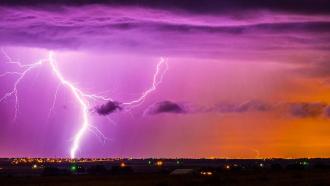
Cosmic rays offer clues about lightning
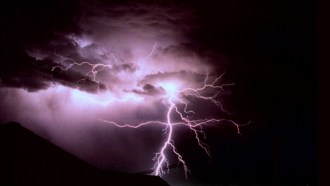
Space particles called cosmic rays pelt Earth. Scientists are using the rain of these particles to probe how lightning forms.
- Environment
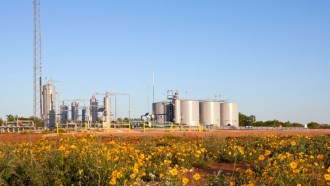
Scientists Say: Fracking
Liquid fuel sources such as natural gas and petroleum form deep underground between layers of rock. To retrieve them, engineers often use a technique called hydraulic fracturing, or fracking.
- Brain
Twisters: Can warning people too early backfire?
If people think they have enough time to flee a tornado, they may try to drive away, information shows. This could leave them stuck in traffic — with no protection — when the storm does show up.
- Earth
Nepal earthquake offers hints of worse to come
The magnitude 7.8 earthquake that crumbled much of Nepal’s capital city could be overshadowed by larger future earthquakes along the Himalayas, scientists say.
- Earth
News Brief: Smokin’ plants
A new study points out how some herb teas and spices could have accidentally picked up nicotine from the smokers working around them.
- Earth
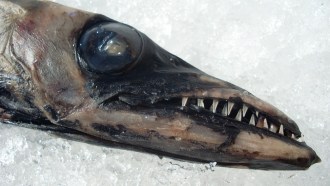
Deep-sea fish show signs of exposure to pollution
A new study suggests deep-water fish may have health problems linked to human pollution. Eating these fish may expose diners to the same pollution.
- Agriculture
Ditching farm pollution — literally
An Indiana project shows how fighting fertilizer runoff can save farmers money, protect wild habitats and prevent harmful algae blooms.
- Earth
Scientists Say: Microplastic
Bits of plastic smaller than five millimeters are called microplastics. They can end up in the ocean, where corals might mistake them for food.
- Earth
What sent Hawaii’s mountain chain east?
A single shaft of spewing hot rock created an enormously long chain of mostly undersea mountains in the western Pacific. That chain takes an unexpected eastern curve. The reason, scientists now think, may be a gobbled-up tectonic plate.
- Earth
Tiny plastic, big problem
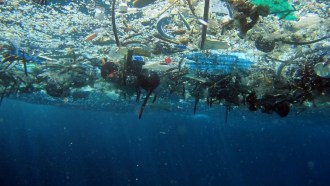
Unsightly plastic bottles, bags and other trash give just a hint of the largely unseen problem of plastic pollution. Scientists have found tiny bits of it throughout the ocean. The bad news: Sea life can’t tell the difference between plastic and food.
- Climate
Mornings become electric
Lightning packs a wallop in the morning. The most powerful lightning strikes in the continental United States usually peak before noon.
- Earth
Fracking wastes may be toxic, tests show
Fracking operations have been polluting the environment. Some wastes have hormonal effects. Studies in mice now show that prenatal exposures to these wastes can trigger subtle but disturbing organ impacts.