Health & Medicine
- Chemistry
Milking chocolate for its health benefits
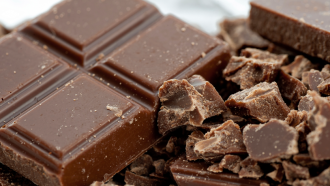
Researchers figure out how to give milk chocolate the same health benefits as dark chocolate. The secret ingredient is an extract from peanut skin.
- Health & Medicine
Could toothpaste give heart disease the brush-off?
Brushing with a toothpaste that dyes plaque green encourages people to remove more of it. This also lowered inflammation, which may cut someone’s risk of heart disease.
- Brain
Zika birth defects: Concerns spread from head to toe
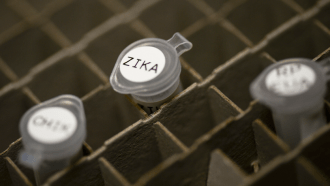
Zika infections may trigger problems well beyond babies born with small heads and brains. Scientists have begun linking a range of head-to-toe health ails to the virus.
- Genetics
New date for U.S. arrival of the AIDS virus
A new study shows that HIV started circulating at least a decade earlier than previously realized.
- Health & Medicine
Vaping may put your smile at risk
As e-cigarette use among teens rises, scientists find that vaping may cause cellular damage to the mouth, gums and teeth. Even the cells’ DNA was affected.
- Earth
Beaches can be a germy playground
Infectious microbes can flourish on sandy beaches. Scientists are now exploring how to find and monitor these hotspots for pollution that can make vacationers sick.
- Brain
Pain is contagious — at least in mice
Pain can move from one mouse to another. The trigger may be smell.
- Health & Medicine
4 reasons why many people don’t vote
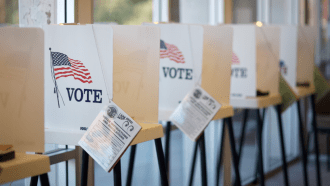
The United States has a terrible voter turnout. Scientists have turned up some data to explain why that is.
- Health & Medicine
4 research-backed ways to get people to vote
Millions of Americans who are eligible to vote won’t bother to go to the polls. Scientists, though, are finding ways to get more of these people into the voting booth.
- Health & Medicine
Scientists Say: Saturated fat
Saturated fats are found in meat and dairy products. Their long, straight chemical chains make them solid in your fridge and on your plate.
- Environment
Rocket nozzle research propels teen to big win
A 13-year old won the top prize at this year’s Broadcom MASTERS science competition. She had determined the best shape for a rocket nozzle.
- Brain
Out-of-whack body clock causes more than sleepiness
When the body’s “clock” doesn’t match the cues its getting from outside, people can feel bad. Researchers are using math to explain this “circadian-time sickness.”