Health & Medicine
- Earth
Nicotine from smoke enters body through the skin
Scientists have shown for the first time that nicotine from cigarette smoke can enter the body through bare skin from the air or contact with smoky clothes.
- Health & Medicine
Girls take note: Corn fiber can strengthen bones
Two new studies show that soluble corn fiber could help women improve bone health.
- Brain
Mice brains hint at how bodies keep their cool
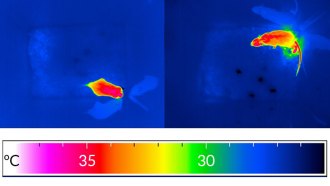
Nerve cells in mice can keep the body cool and may prevent high fevers. The discovery could have implications for obesity and other health issues.
- Health & Medicine
Be true to yourself, even in the face of opposition
It might seem easier to go with the flow when others disagree with you. But expressing your true opinion can be a positive experience, new data show.
- Health & Medicine
Mouth germs team up to boost disease risk
The oxygen given off by harmless mouth bacteria can help disease-causing invaders grow strong and flourish.
- Health & Medicine
U.S. to outlaw antibacterial soaps
Soaps with germ-killing compounds promise cleaner hands. But manufacturers couldn’t show they offer any safety advantage. Now the U.S. government is banning them.
- Brain
This supplement makes calorie-rich foods less tempting
A supplement that contains the fatty acid propionate causes the brain to rate high-calorie foods less appealing.
- Animals
Cool Jobs: Linking animal health to human health
Scientists who watch out for diseases in wild animals also can play a role in keeping people from getting sick.
- Health & Medicine
Grandparents’ diet could be a weighty issue for grandkids
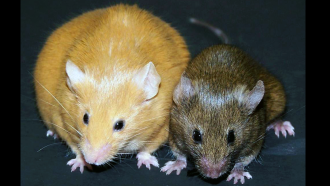
Australian scientists have found that fat mice can pass on a heightened risk of obesity to their sons and grandsons.
- Genetics
Explainer: What is epigenetics?
Epigenetics is the study of molecular “switches” that turn genes on and off. Tweak those switches and there could be big health consequences.
- Health & Medicine
‘Smart’ sutures monitor healing
Coatings added to the threads used to stitch up a wound let researchers use electrical signals to monitor a wound’s healing — even one covered by a bandage.
- Ecosystems
Will chicken cologne guard you from malaria?
Mosquitoes that carry malaria are repelled by the smell of chickens. In malaria country, that could make these birds a human’s best friend.