Humans
- Chemistry
Reusable plastic bottles release hundreds of pollutants into water
Data show the plastic ends up tainting drinking water. For now, scientists don’t know what health risks downing these pollutants might pose.
- Health & Medicine
Patches and robotic pills may one day replace injections
Instead of a shot in the arm, a light-activated patch or robotic pill may one day deliver your medicine.
- Health & Medicine
Your bloodstream may be littered with the plastic you’ve eaten
For the first time, scientists have found plastic particles circulating in human blood. No one yet knows whether those polluting bits might pose a risk to health.
- Animals
Like bloodhounds, worms are sniffing out human cancers
Scents emitted by diseased cells may usher in a new era of safe, low-cost screening tests for cancer and other illnesses.
- Psychology
Prevention programs can help reduce teen dating violence
Teen dating violence has many forms and affects an estimated one-third of teens. New studies explore what programs may help prevent this harm.
- Psychology
Five tips to consider when dating goes wrong
When dating is more hurtful than loving, it may be time to ask if there may be big trouble — and harm — ahead.
- Brain
Lying won’t stretch your nose, but it will steal some brainpower
The science of lying shows that most people don’t lie often. But when they do, it takes a surprising toll on their brains.
- Animals
Scientists Say: Migration
Migration involves the movement of animals or people from one place to another.
- Health & Medicine
In an emergency, you may want to see Dr. Dog
Emergency room visits by therapy dogs can reduce pain, anxiety and depression in patients waiting for care, a new study finds.
- Chemistry
We all unknowingly eat plastic, which may host toxic pollutants
In the environment, plastics attract all types of toxic chemicals. If ingested, new data show, chemicals on those plastic bits may harm the gut.
- Health & Medicine
Sickle-cell gene therapies offer hope — and challenges
Doctor Erica Esrick discusses existing treatments and an ongoing clinical trial for a gene therapy to treat sickle cell disease.
- Genetics
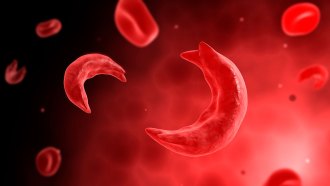
Explainer: What is sickle cell disease?
Gene mutations can alter an individual’s hemoglobin in ways that curl their blood cells. This can cause painful sickle cell disease.