Life
- Brain
Scientists Say: Ventral striatum
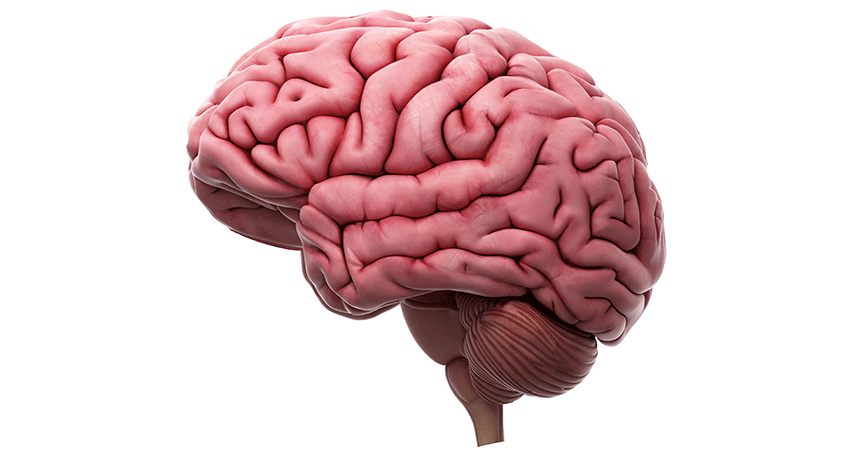
The ventral striatum is an area of the brain that plays an important role in mood, learning and addiction. It has a lot of dopamine, a chemical messenger.
- Animals
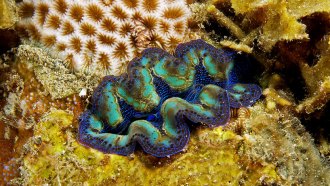
Here’s how a clam can hide within a rock
Old boring clam research has been upended after 82 years.
- Animals
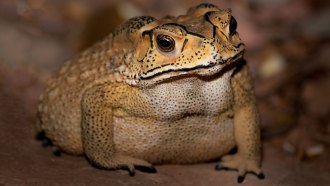
Toxic toads pose threat to Madagascar’s predators
The Asian common toad, an invasive species in Madagascar, produces a chemical in its skin that’s probably toxic to most of the island’s predators.
- Animals
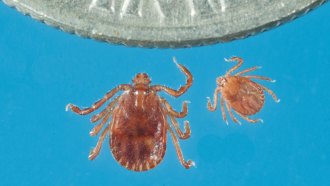
An Asian, self-cloning tick threatens U.S. livestock
The longhorned tick spreads human diseases in its East Asian homeland. Now it’s invaded the United States. There, it has threatened mostly livestock — so far, anyway.
- Animals
Here’s what narwhals sound like underwater
Scientists eavesdropped while narwhals clicked and buzzed. The work could help pinpoint how the whales may react to more human noise in the Arctic.
- Health & Medicine
Dogs carry a grab bag of flu viruses
Dogs carry a mix of flu viruses, including some that came from pigs. But there’s no reason to worry just yet.
- Animals
Scientists Say: Krill
Krill are small crustaceans in the ocean. They are an important food source for other larger animals, and their tiny swimming motions can mix nutrients in the sea.
- Animals
These caterpillars are scaring the city of London
The fluffy-haired larvae of the oak processionary moth have a curious behavior, moving in neat, little lines. But the caterpillars pose threats to trees and human health.
- Animals
This extinct bird boasted dinosaur-like teeth
Fossil skulls from an ancient bird shows this flyer had a beak — but dino-like chompers to chew through its prey.
- Genetics
Scientists Say: Intron
These are sections of DNA that are trimmed out before the DNA is copied RNA and translated into protein. But they still have important jobs to do.
- Animals
Uh oh! New approach to saving this species imperiled it
After years separated from predators, these endangered quoll lost their fear of them. This jeopardizes the safety of any quoll released back to their home range.
- Animals
Hefty dinosaurs had a trick for sitting on eggs safely
To keep their eggs warm without squashing them, some heavy dinosaurs laid eggs in a ring and sat in a space at the middle.