Life
- Animals
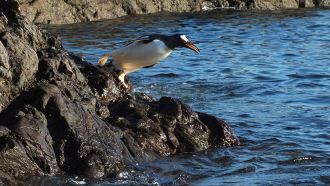
This penguin prey knows how to fight back
Scientists attached cameras to gentoo penguins off the Falkland Islands. The video revealed that their tiny prey can sometimes win in a fight.
- Health & Medicine
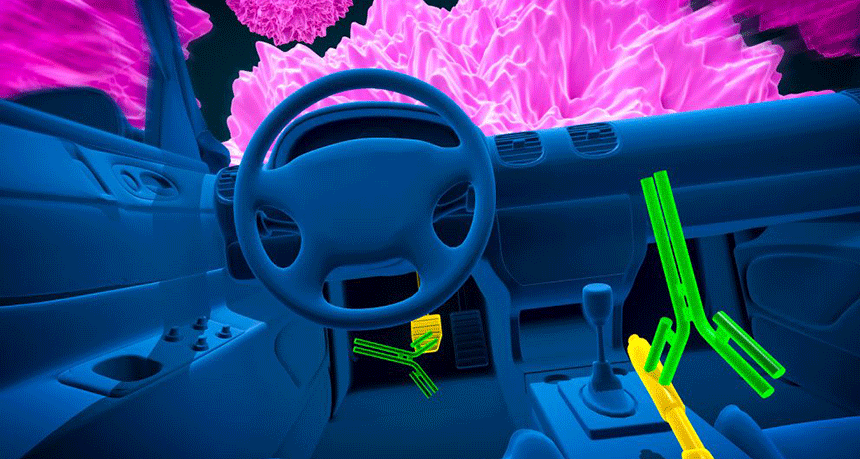
Immune targeting of cancers wins two a 2018 Nobel Prize
Doctors used to target cancers with a scalpel, toxic chemicals and radiation. Two scientists just won a Nobel Prize for coming up with a fourth tactic: turning on the immune system.
- Animals
Eating queen’s poop makes naked mole rats babysit her kids
Hormones in the poop of a naked mole rat queen turns other females into babysitters for her young.
- Ecosystems
New tools aim to better predict blooms of toxic algae
Scientists across the United States are developing programs that can predict when blooms of toxic algal may occur.
- Animals
Parasitic worms sicken people in the mainland United States
A worm native to Asia has sickened at least 12 people in eight continental U.S. states since 2011, a new report finds.
- Genetics
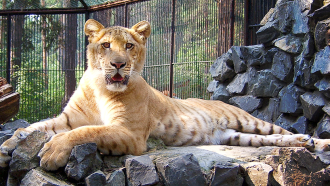
The mixed-up world of hybrid animals
When animals from related species mate, they may produce hybrid offspring. These animals can display a jumble of traits, such as colors, shapes or behaviors.
- Health & Medicine
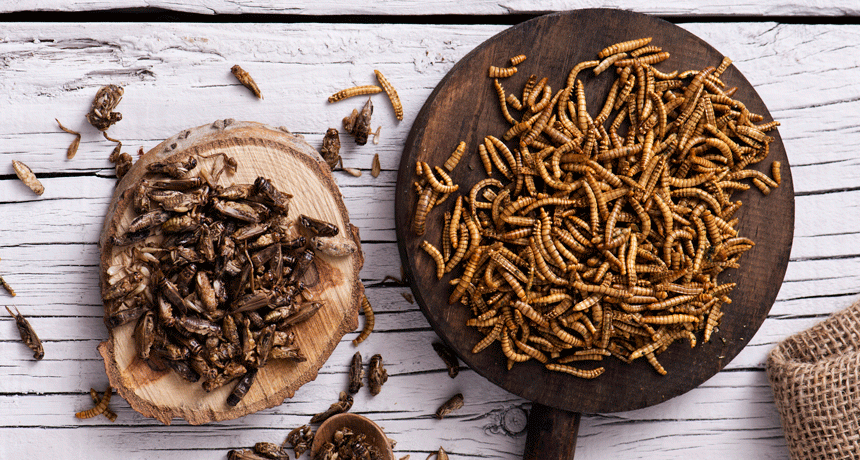
Crickets for breakfast?
In a small trial, levels of beneficial gut bacteria rose in young adults who ate a breakfast that included crickets every day for two weeks.
- Brain
Football and hockey don’t necessarily doom players’ brains to serious damage
A broad look at the brains and behavior of retired pro football players and hockey players finds no signs of early dementia.
- Animals
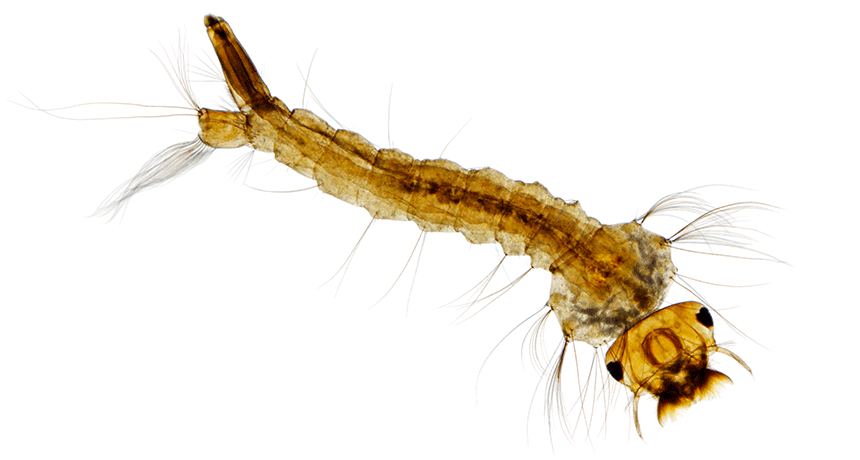
Scientists Say: Larva
Many insects, amphibians and fish have a life stage after they hatch that looks very different from the animal’s adult form. This life stage has its own name.
- Animals
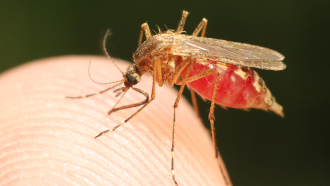
Cool Jobs: Sucking up science with mosquitoes
Mosquitoes are tiny, but the illnesses they spread can be deadly. To fight these germ spreaders, scientists need to get to know mosquitoes better — much better.
- Animals
Nine big stories you may have missed this summer
We hope you enjoyed time off from school this summer. But you may have missed some scientific developments, from mega-eruptions to Martian lakes.
- Animals
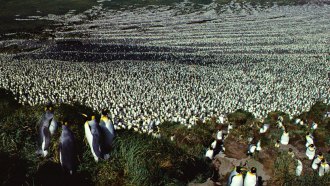
Where did all of those king penguins go?
Île aux Cochons in the southern Indian Ocean was once home to the largest known colony of king penguins. Most of those birds are now gone and no one knows why.